ZAL | Logistics Activities Zone
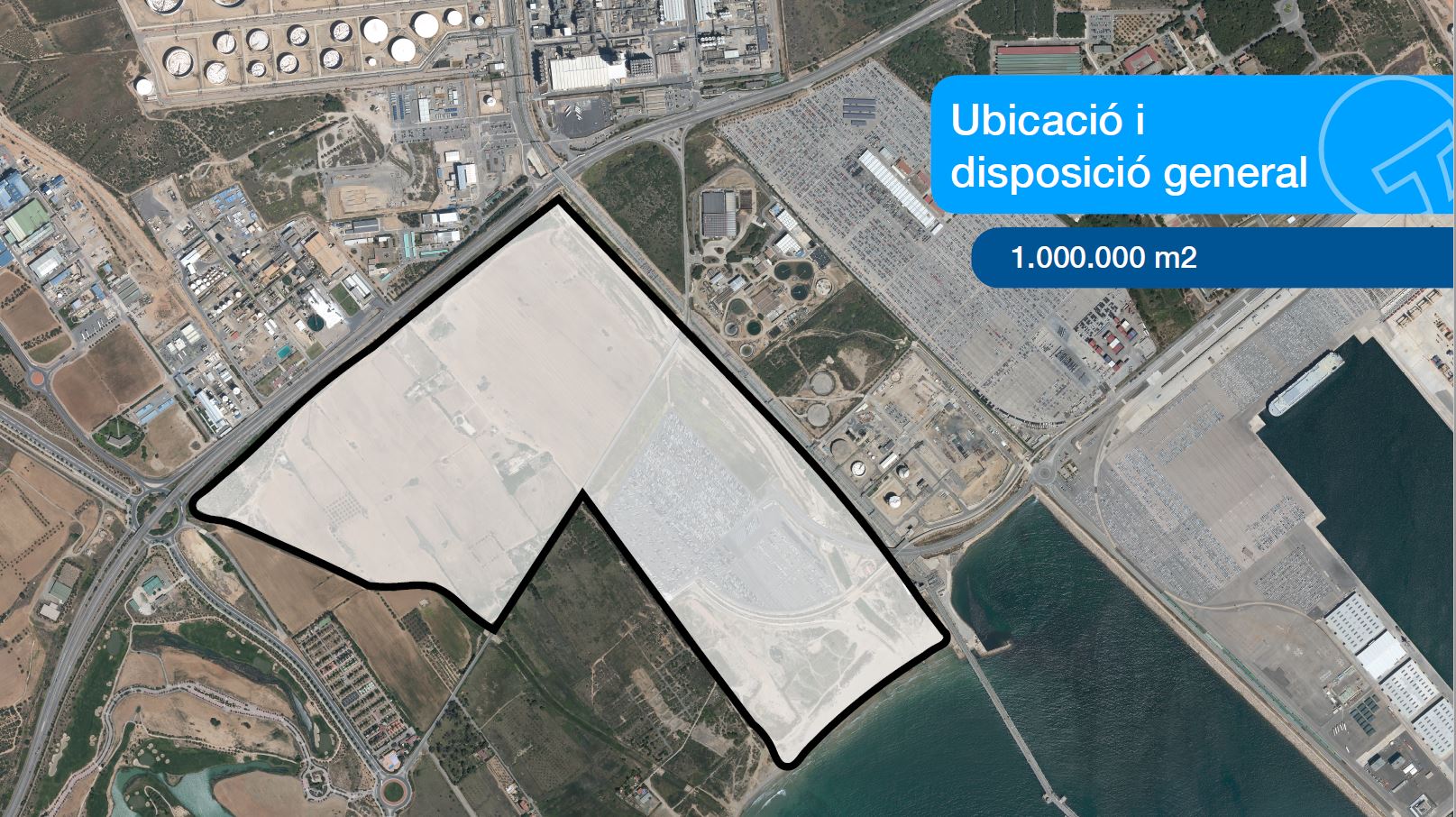
The project will create a 92-hectare Logistics Activities Zone. Its development will cost more than 30 million euros over 4 years and will create more than 4,200 jobs. This sum, together with the 11.8 million euros to be added in a second phase and the 31 million euros already spent, make a total of 72.8 million euros invested in this logistics area.
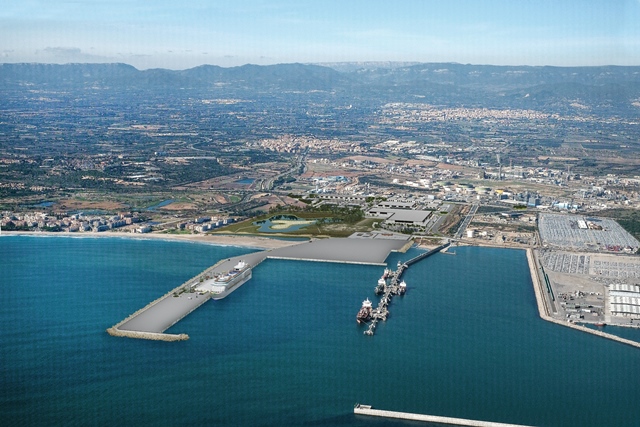
Today the Port of Tarragona will begin the urbanisation and marketing of the more than 900,000 square metres of land that make up the Logistics Activities Zone inside the port enclosure and situated in the municipality of Vila-seca, near the La Pineda quarter. This area represents a 20.42% increase in the area available for logistics activities in the Port of Tarragona and will have a positive impact on maritime traffic with an expected increase of between 2.7 and 4.6 million tons of cargo per year.
The definitive approval of the urbanisation project for the ZAL gave the green light to a project born 30 years ago that will have a positive economic impact on the territory estimated at 154,000,000 euros a year in GVA terms. According to the Special Ordination Plan of 2019 for plot division, the smallest plot will be 4,370 m2 per block (with the possibility of dividing them up) and the size of the smallest industrial premises within the plot will be 2,289 m2 with the envisaged space for offices.
The ZAL is designed mainly for activities closely linked to maritime traffic and value added products. These include processed, post-industrial and pre-commercial products and services such as packaging, labelling and cargo palletisation, among many others. This new area is also designed to become a cross-docking centre for transferring cargos that will contribute added value to the port traffic, thanks to its strategic location with connections that will improve the services currently available.
Today the Port of Tarragona will begin the urbanisation and marketing of the more than 900,000 square metres of land that make up the Logistics Activities Zone inside the port enclosure and situated in the municipality of Vila-seca, near the La Pineda quarter. This area represents a 20.42% increase in the area available for logistics activities in the Port of Tarragona and will have a positive impact on maritime traffic with an expected increase of between 2.7 and 4.6 million tons of cargo per year.
The definitive approval of the urbanisation project for the ZAL gave the green light to a project born 30 years ago that will have a positive economic impact on the territory estimated at 154,000,000 euros a year in GVA terms. According to the Special Ordination Plan of 2019 for plot division, the smallest plot will be 4,370 m2 per block (with the possibility of dividing them up) and the size of the smallest industrial premises within the plot will be 2,289 m2 with the envisaged space for offices.
The ZAL is designed mainly for activities closely linked to maritime traffic and value added products. These include processed, post-industrial and pre-commercial products and services such as packaging, labelling and cargo palletisation, among many others. This new area is also designed to become a cross-docking centre for transferring cargos that will contribute added value to the port traffic, thanks to its strategic location with connections that will improve the services currently available.
920,000 m2 surface area
20.42% increase in surface area
Plot from 4,370 m2 industrial premises from 2,289 m2
+4,200 new jobs
Information
What is a ZAL?
Logistics Activity Zones (ZAL) specialise in the storage and distribution of merchandise and the provision of added value activities and services. ZALs are particularly linked to ports, for which they provide the necessary logistics services to add value to the logistics chain. They are conceived and designed for logistics operations and favour the optimisation of processes among the different actors involved in them. The Port of Tarragona ZAL will also have promotion and development activities, such as the facilitation of services, training, fostering the logistics community and assistance for the end customer.
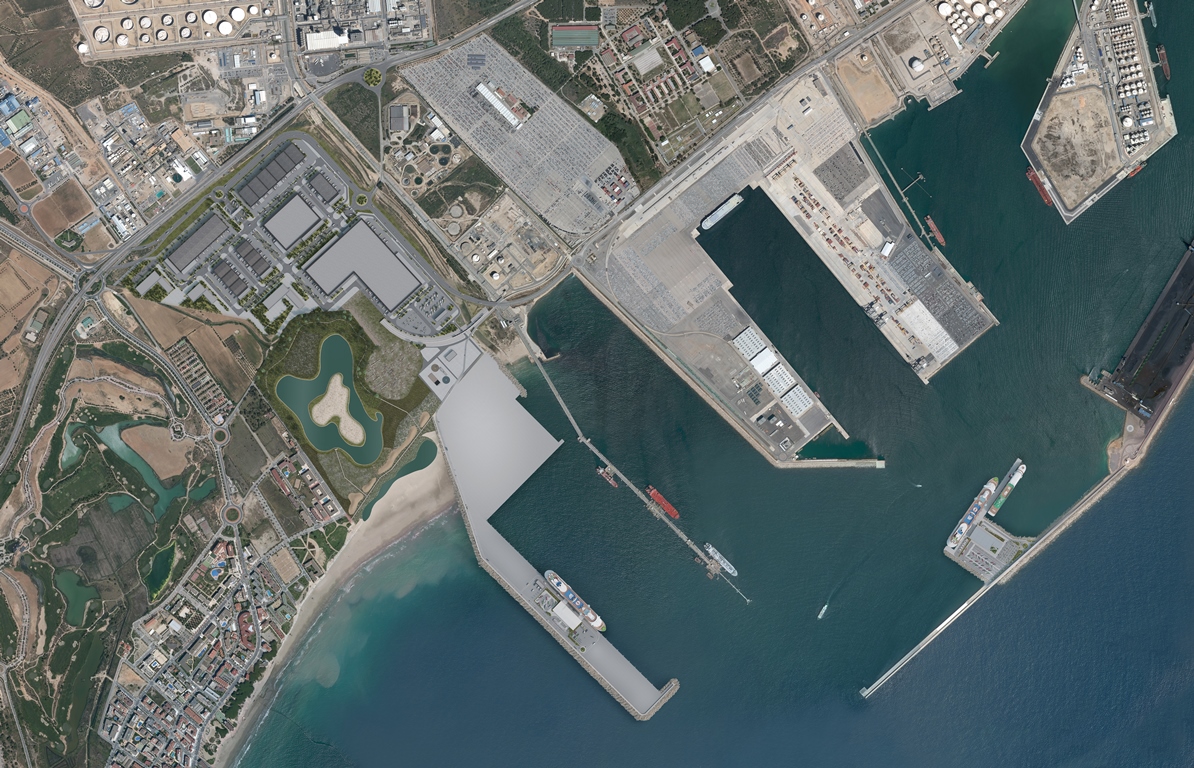
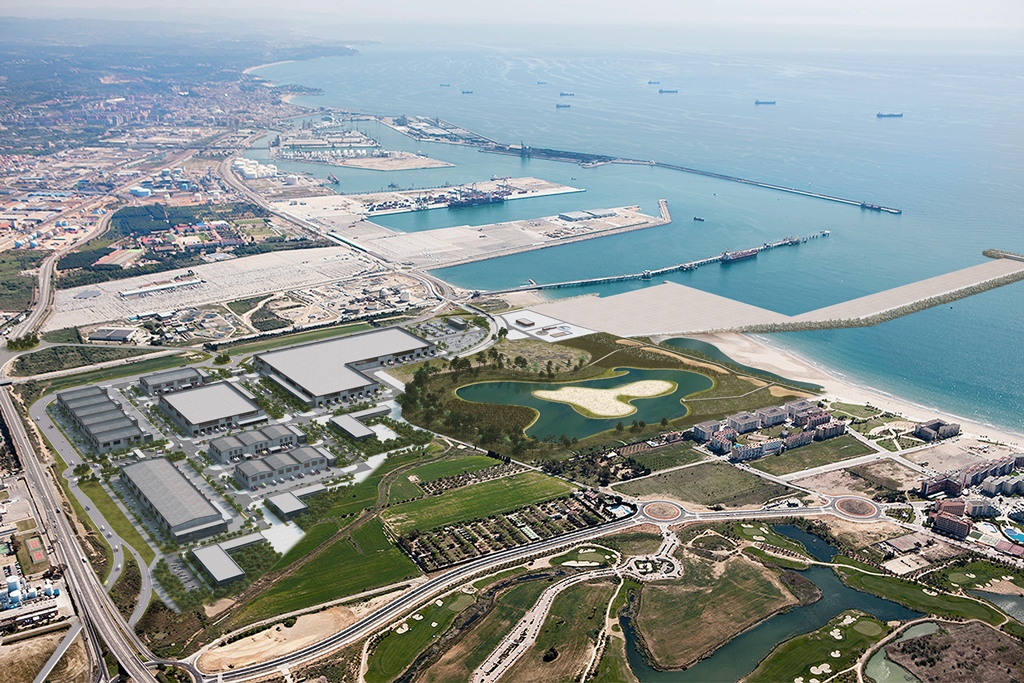
Zenithal view of the ZAL, the 'Xarxa Natura 2000' and the future ' Contradic de Ponent'
The installation of a ZAL generates positive effects on the geographical surroundings, both in the port area itself, revolving around the logistics firms, and in the nearby urban area and transport industry. Its purpose is to add value to goods and in an area not delimited by customs. It aims to reduce logistics costs and improve management in a way that results in a more efficient service.
Investment and economic impact
72,8 M€ total investment
31.4 M€ investment
154,000,000 €/year territorial economic impact
between 2.7-4.6 million tons
impact on goods traffic
The ZAL project began almost 30 years ago. The idea was first suggested in 1989 and the first land purchases began a year later. To date, 31 million euros have been invested. The cost of the land is 22.5 million euros; construction of the rail accesses has cost 2.3 million euros and the road accesses another 2.1 million. Finally, other superstructure and preparation works have cost 4.1 million euros.
The planned investment for the coming years, as set out in the Port of Tarragona Master Plan 2020-2023 for the development of the ZAL, is 30 million euros. Of this amount, 20 million euros will be spent on the urban development of the 92 hectares of the ZAL, while the remaining 10 million euros will be used to configure the first phase of the different road and rail accesses.
The urbanisation and construction project for the ZAL’s infrastructures and services and its accesses will be incorporated into Port Terrestrial Accessibility Financial Fund to guarantee its financing and will be executed by the Tarragona Port Authority.
We can also highlight the positive impact on employment in the region. The Port estimates that the ZAL activity will create 2,974 new direct jobs and 744 indirect jobs, making a total of 3,718 new jobs for the territory. To these figures we also have to add the 564 jobs that will be created during construction phase of the project. Added to the others, that makes a total of 4,282 new jobs.
Other figures to take into account refer to the economic impact the ZAL will have in its area of action. The Port of Tarragona forecasts that it will generate some 150 €/m2, which means an annual return on investment of around 154 million euros.
With the implantation of the ZAL and all its activity, the Port of Tarragona expects to see an increase in goods traffic of between 2.7 and 4.6 million tons annually. That means an increase of between 8% and 14% over the goods traffic in 2018 (32,000,000 tons).
The planned investment for the coming years, as set out in the Port of Tarragona Master Plan 2020-2023 for the development of the ZAL, is 30 million euros. Of this amount, 20 million euros will be spent on the urban development of the 92 hectares of the ZAL, while the remaining 10 million euros will be used to configure the first phase of the different road and rail accesses.
The urbanisation and construction project for the ZAL’s infrastructures and services and its accesses will be incorporated into Port Terrestrial Accessibility Financial Fund to guarantee its financing and will be executed by the Tarragona Port Authority.
We can also highlight the positive impact on employment in the region. The Port estimates that the ZAL activity will create 2,974 new direct jobs and 744 indirect jobs, making a total of 3,718 new jobs for the territory. To these figures we also have to add the 564 jobs that will be created during construction phase of the project. Added to the others, that makes a total of 4,282 new jobs.
Other figures to take into account refer to the economic impact the ZAL will have in its area of action. The Port of Tarragona forecasts that it will generate some 150 €/m2, which means an annual return on investment of around 154 million euros.
With the implantation of the ZAL and all its activity, the Port of Tarragona expects to see an increase in goods traffic of between 2.7 and 4.6 million tons annually. That means an increase of between 8% and 14% over the goods traffic in 2018 (32,000,000 tons).
Access and connectivity
The accesses to the ZAL have been planned in two phases. The first phase, with an estimated cost of 10 million euros, will be carried out between 2021 and 2026 and will consist of adaptation of the heavy goods vehicle road on the stretch that runs between the ZAL and the Chemicals road that begins at the ‘Piconadora’ roundabout. Elsewhere, with the aim of organising access to the ZAL from the C-31B, a roundabout will be laid out at the TV-3146 and Dow Chemical intersection.
A second phase, which will be carried outin accordance with the evolution of vehicle traffic, provides for the execution of the stretch between the northern end of the Chemicals road and the roundabout between the A-7 and Bellisens dual carriageways. In order to facilitate the connection between the A-7 and the new ZAL access road for traffic in the direction of Valencia, the Port of Tarragona will consider two connections for entrance and exit between the trunk road and the existing feeder roads between the Raval de Mar and Bellisens dual carriageway links. This second phase has an estimated cost of 11.8 million euros.
A second phase, which will be carried outin accordance with the evolution of vehicle traffic, provides for the execution of the stretch between the northern end of the Chemicals road and the roundabout between the A-7 and Bellisens dual carriageways. In order to facilitate the connection between the A-7 and the new ZAL access road for traffic in the direction of Valencia, the Port of Tarragona will consider two connections for entrance and exit between the trunk road and the existing feeder roads between the Raval de Mar and Bellisens dual carriageway links. This second phase has an estimated cost of 11.8 million euros.
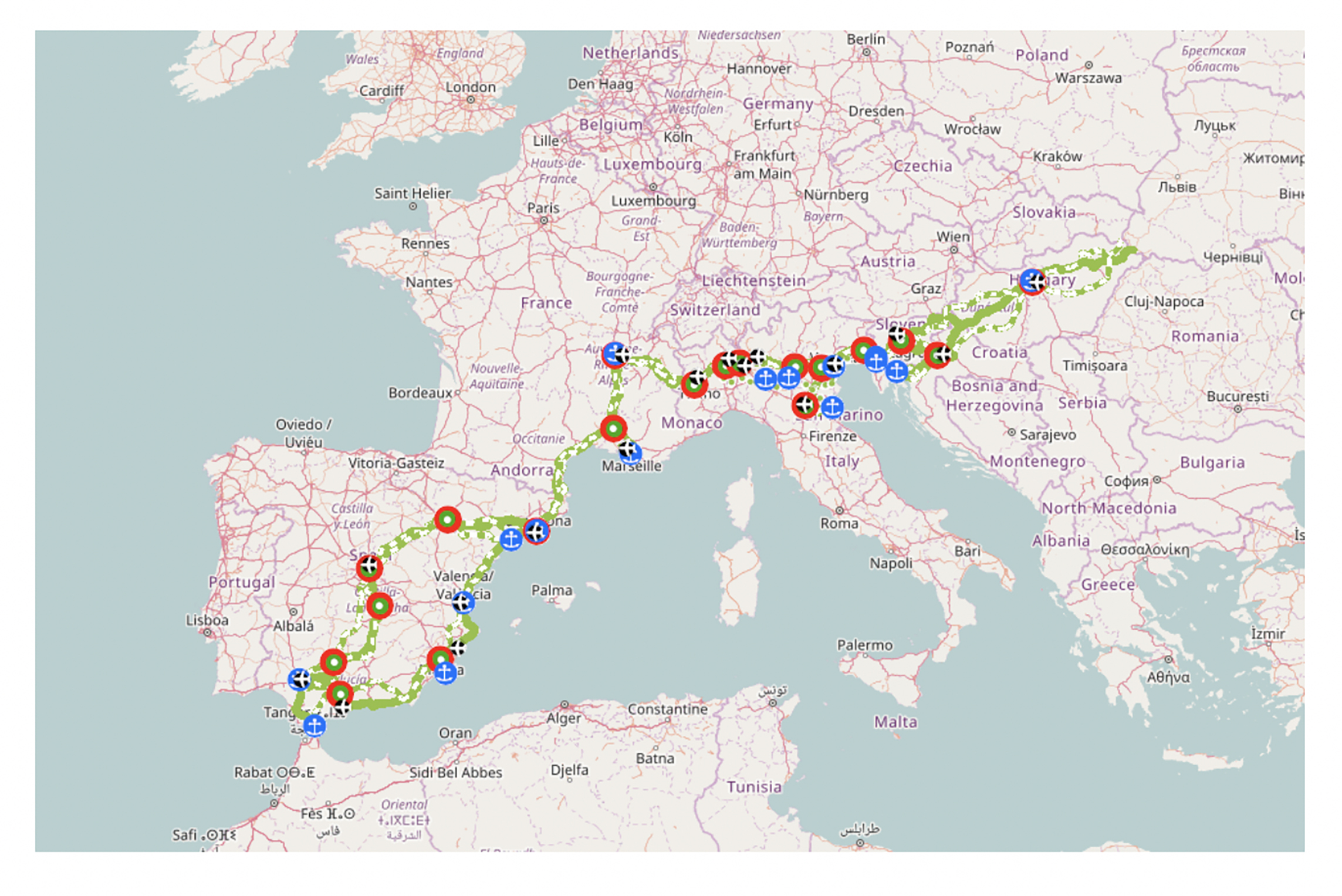
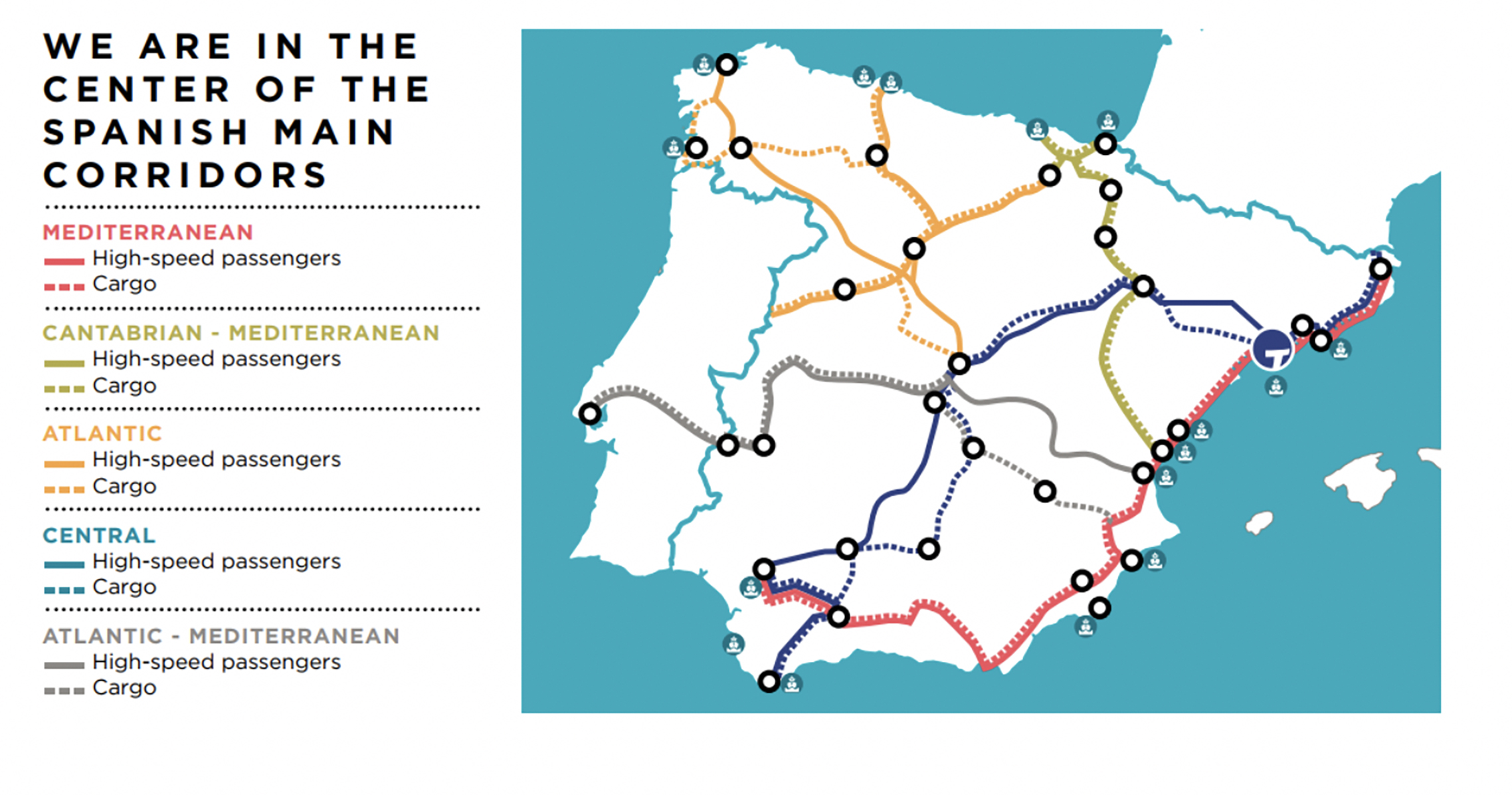
The ZAL’s rail and road connections will make it a very well communicated zone, on the one hand, thanks to its excellent access to the A7, the AP7 and the A27. The ZAL is also integrated into the Trans-European Transport Network Mediterranean Corridor as part of the basic TEN-T. This network involves the development and implementation of a Europe-wide network of railway lines, roads, interior waterways, maritime shipping routes, ports, airports and rail terminals. The end objective is to fill in gaps, eliminate bottlenecks and technical barriers, and to strengthen social, economic and territorial cohesion within the EU. Tarragona is strategically situated in the corridors on the Iberian Peninsula and is a node sitting astride the Central and Mediterranean Corridors and the Cantabrian-Mediterranean Corridor.
Another strong point of the project is its proximity to the La Boella Intermodal Terminal, an intermodal cargo transit terminal that will favour imports and exports from the whole of Tarragona’s hinterland. The ZAL is also less than a kilometre from the Port of Tarragona Container Terminal and is directly connected to the Chemicals road, specifically with the city’s Parc Químic Sud. All this translates into direct access to the Port and all the advantages that involves in terms of optimising the cargo movement logistics chain.
Another strong point of the project is its proximity to the La Boella Intermodal Terminal, an intermodal cargo transit terminal that will favour imports and exports from the whole of Tarragona’s hinterland. The ZAL is also less than a kilometre from the Port of Tarragona Container Terminal and is directly connected to the Chemicals road, specifically with the city’s Parc Químic Sud. All this translates into direct access to the Port and all the advantages that involves in terms of optimising the cargo movement logistics chain.
Competitiveness
When the ZAL enters into operation it will bring a series advantages for the territory. On the one hand, the area’s transport networks will be less congested, thanks to a new direct connection with the Port, both by road and rail, and on the other, the maritime connection from the nearby Container Terminal.
The availability of areas in the port itself is a major opportunity to generate new business in a strongly industrialised zone and will allow for reductions in cost, distance and time.
The ZAL will be connected with the dry port in the municipalities of Marchamalo and Guadalajara via the La Boella Intermodal Terminal and will offer an opportunity to operate agilely in the Port of Tarragona’s hinterland both with current and new types of cargo. The Port of Tarragona’s new logistics area is part of its commitment to the intermodality of the port with the aim of optimising the logistics chain and offering its customers a better service, from both the economic and ecological perspectives.
The ZAL project, together with the La Boella and Guadalajara Intermodal Terminals are strategic lines and effective options for companies that wish to optimise costs and reduce emissions. The use of the railway will allow for a reduction in CO2 emissions and carbon footprint, at the same time as offering other improvements in the sustainability of the logistics chain.
The availability of areas in the port itself is a major opportunity to generate new business in a strongly industrialised zone and will allow for reductions in cost, distance and time.
The ZAL will be connected with the dry port in the municipalities of Marchamalo and Guadalajara via the La Boella Intermodal Terminal and will offer an opportunity to operate agilely in the Port of Tarragona’s hinterland both with current and new types of cargo. The Port of Tarragona’s new logistics area is part of its commitment to the intermodality of the port with the aim of optimising the logistics chain and offering its customers a better service, from both the economic and ecological perspectives.
The ZAL project, together with the La Boella and Guadalajara Intermodal Terminals are strategic lines and effective options for companies that wish to optimise costs and reduce emissions. The use of the railway will allow for a reduction in CO2 emissions and carbon footprint, at the same time as offering other improvements in the sustainability of the logistics chain.
Sustainability
The development of the Port of Tarragona Logistics Activities Zone includes a series of sustainable actions provided for in the development and building regulations legislation. Its design includes the application of the preventative, corrective and compensatory measures approved by the Strategic Environmental Study (EAE), the execution of an Environmental Monitoring Plan and an Environmental Management System, and the corrective and preventative measures to be applied during the urbanisation and work on the accesses.
In this respect, the ZAL will have a rainwater separation network with pre-treatment and depuration of the first rainwater. It will also have a drainage network for sewage that will be treated at the Vila-seca sewage treatment plant. A minimum of 50% of the treated water will be reused with half going to irrigation and lagoons and the other half to tertiary uses.
Energy efficiency and renewable energies will be present in all the buildings and facilities with the application of the highest levels of efficiency and the implantation of renewable energies. At the same time, the urbanisation plan provides for the tree and garden areas to be planted with native species, as well as for the preservation and maintenance of previously identified zones and standing trees.
Finally, measures will be taken to keep light, noise and gas emission pollution to a minimum, especially in the area next to the protected Natura 2000 Network zone.
In this respect, the ZAL will have a rainwater separation network with pre-treatment and depuration of the first rainwater. It will also have a drainage network for sewage that will be treated at the Vila-seca sewage treatment plant. A minimum of 50% of the treated water will be reused with half going to irrigation and lagoons and the other half to tertiary uses.
Energy efficiency and renewable energies will be present in all the buildings and facilities with the application of the highest levels of efficiency and the implantation of renewable energies. At the same time, the urbanisation plan provides for the tree and garden areas to be planted with native species, as well as for the preservation and maintenance of previously identified zones and standing trees.
Finally, measures will be taken to keep light, noise and gas emission pollution to a minimum, especially in the area next to the protected Natura 2000 Network zone.
Non-intensive urbanisation
Willingness to preserve the landscape
Rainwater separation drainage network
Pre-treatment of the first rainwater
Investment in a new water treatment system (EDAR)
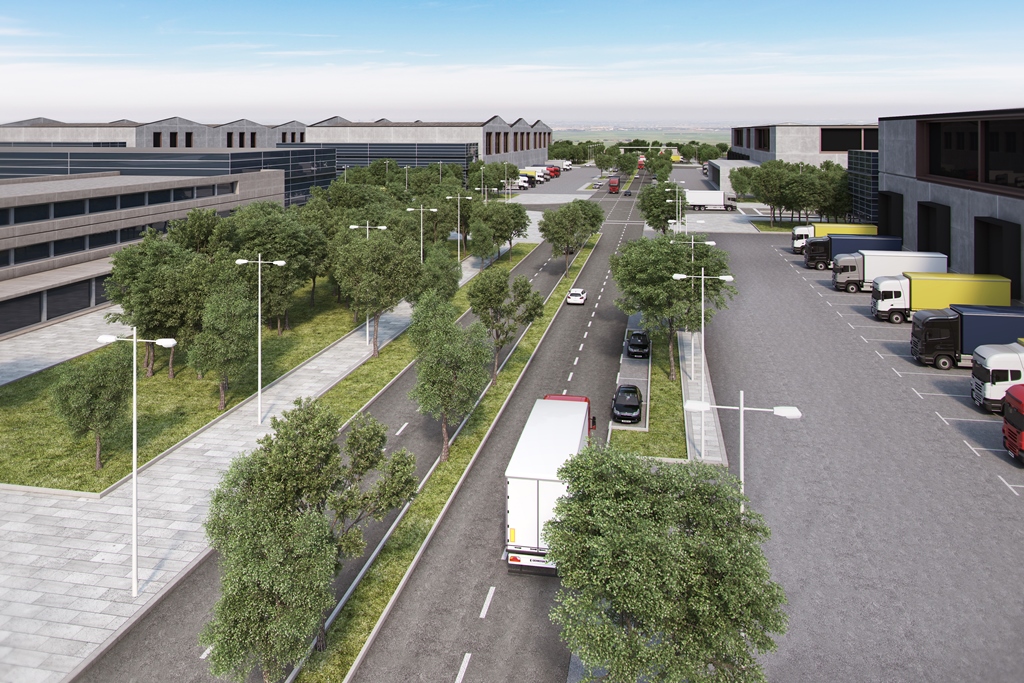
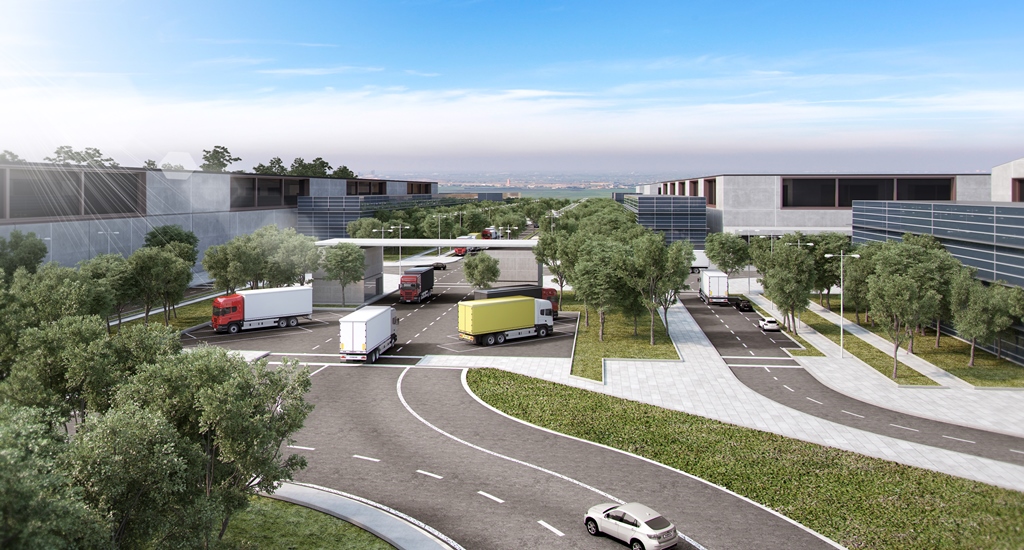
Requirement for the highest levels of energy efficiency and renewable energies in the buildings
Planting trees and gardens with native species
Minimisation of light, noise and gas pollution impacts
Recycling of 50% of waste water
Xarxa Natura 2000
Next to the ZAL of the Port of Tarragona is a natural area of great environmental and landscape value integrated into the Natura 2000 Network. This area includes two spaces: the Sèquia Major and the Prats d’Albinyana with a total area of 54.65 hectares in total that are part of the Plan for Areas of Natural Interest (PEIN) declared Special Area of Conservation in 2014.
The Port of Tarragona, in accordance with the Strategic Environmental Study, will carry out a restoration project, specifically on the area "Prats de la Pineda", an area included in the Prats d'Albinyana, located in the municipality of Vila-seca with a total area of 37.78 hectares of the total area. The Port of Tarragona will ensure the connection of the two natural areas: Sèquia Major i Prats.
The main objective of the restoration project of Els Prats d’Albinyana, with a budget of 2.3 million euros, is to restore the habitats and ecosystems typical of this protected natural area. The natural area that will be recovered has an area of 37.78 hectares located next to the ZAL, in an area belonging to the Natura 2000 Network, specifically in the Sèquia Major area, which includes two separate sectors: the Sèquia Major itself and the Prats d'Albinyana. Both spaces are also included in the Plan for Areas of Natural Interest (PEIN). In addition, part of the Prats d’Albinyana area is classified as a wetlands area of the Prats de Vila-seca beach. As a cultural heritage, the presence of archaeological remains of the Roman villa of Callipolis.
] stands out The project plans to create a large lagoon with a central island. The existence of the lagoon will allow various species to be reintroduced into the space. Within the lagoon, an island of almost 27,000 square meters will be formed that will allow birds such as the Corsican gull to nest there, as it will meet the optimal conditions to attract their presence.
Around the large lagoon, a riverside forest will be created thanks to the more than 13,000 trees that will be planted there and that will include species such as poplars, willows, elms or pines. This forest, at the same time, will favor the presence of other birds that are currently present in this area, such as bats, improving their habitat. Small plants and shrubs will also be planted, such as rushes and graminoid grasslands characteristic of this type of ecosystems. The project contemplates the planting of more than 45,000 plant feet, however, those responsible for the work will review this figure since the space has enjoyed a great spontaneous recovery during the last years of "human non-intervention" and it is possible that the number of species to be replanted is significantly reduced.
The Port of Tarragona, in accordance with the Strategic Environmental Study, will carry out a restoration project, specifically on the area "Prats de la Pineda", an area included in the Prats d'Albinyana, located in the municipality of Vila-seca with a total area of 37.78 hectares of the total area. The Port of Tarragona will ensure the connection of the two natural areas: Sèquia Major i Prats.
The main objective of the restoration project of Els Prats d’Albinyana, with a budget of 2.3 million euros, is to restore the habitats and ecosystems typical of this protected natural area. The natural area that will be recovered has an area of 37.78 hectares located next to the ZAL, in an area belonging to the Natura 2000 Network, specifically in the Sèquia Major area, which includes two separate sectors: the Sèquia Major itself and the Prats d'Albinyana. Both spaces are also included in the Plan for Areas of Natural Interest (PEIN). In addition, part of the Prats d’Albinyana area is classified as a wetlands area of the Prats de Vila-seca beach. As a cultural heritage, the presence of archaeological remains of the Roman villa of Callipolis.
] stands out The project plans to create a large lagoon with a central island. The existence of the lagoon will allow various species to be reintroduced into the space. Within the lagoon, an island of almost 27,000 square meters will be formed that will allow birds such as the Corsican gull to nest there, as it will meet the optimal conditions to attract their presence.
Around the large lagoon, a riverside forest will be created thanks to the more than 13,000 trees that will be planted there and that will include species such as poplars, willows, elms or pines. This forest, at the same time, will favor the presence of other birds that are currently present in this area, such as bats, improving their habitat. Small plants and shrubs will also be planted, such as rushes and graminoid grasslands characteristic of this type of ecosystems. The project contemplates the planting of more than 45,000 plant feet, however, those responsible for the work will review this figure since the space has enjoyed a great spontaneous recovery during the last years of "human non-intervention" and it is possible that the number of species to be replanted is significantly reduced.
Commercialisation
These final procedures, the definitive approval and signing of the urban planning project and the construction of the ZAL infrastructures and services entail the immediate commercialisation of the zone. Therefore, interested companies should contact the Commercial and Business Development Department of the Port of Tarragona (zal@porttarragona.cat). The team in charge of the ZAL management will provide all the information necessary to begin the appropriate procedures that will lead to the urbanisation and subsequent commercialisation.

Commercial and Business Development OfficePau Moraleszal@porttarragona.cat | intermodal@porttarragona.cat | comercial@porttarragona.cat
+34 977 259 400 | Ext. 1323