Parc del Port, a sustainable, intergenerational space adapted to the new climate reality
Transformation of the environment of the Port’s headquarters into a low emissions zone and sustainable mobility
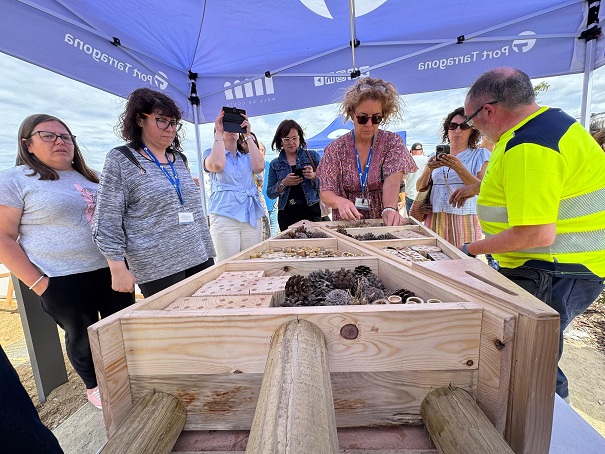
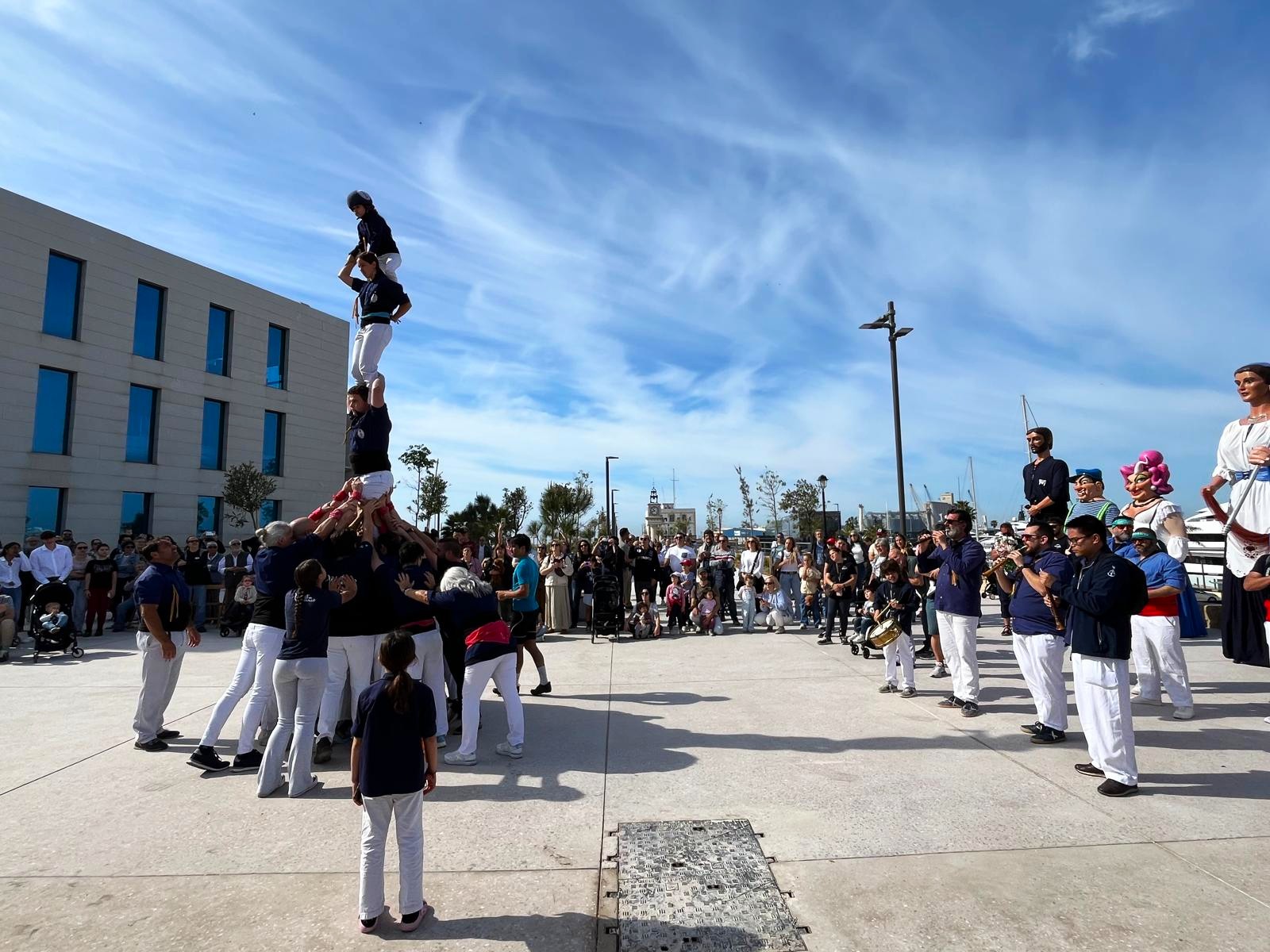
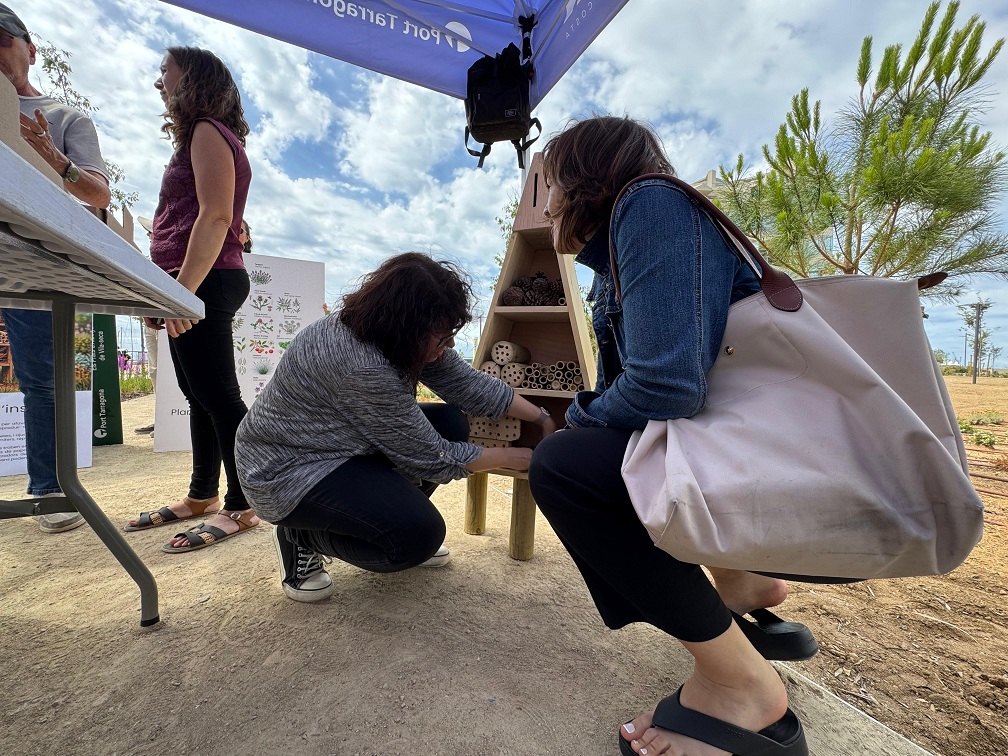
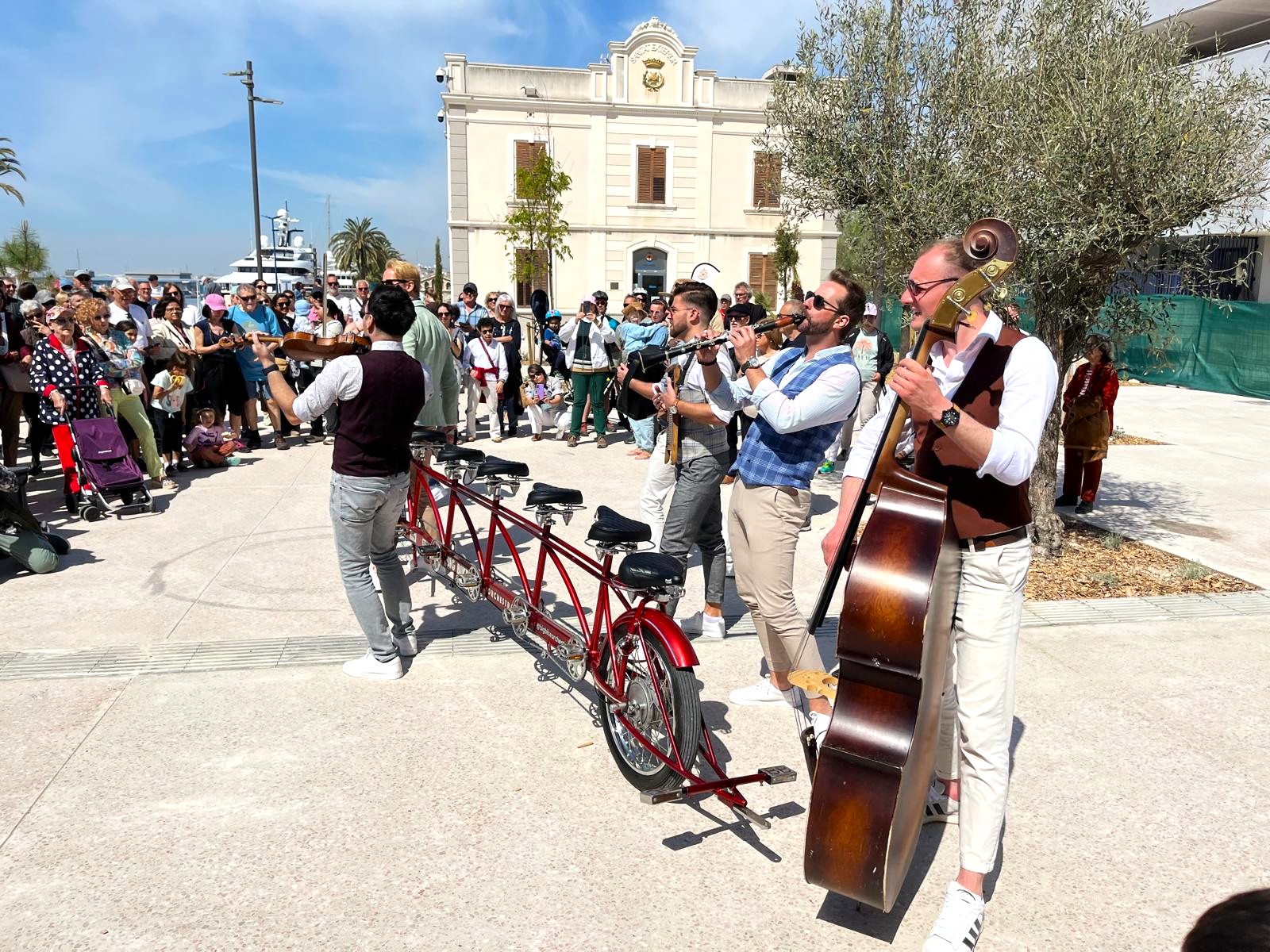
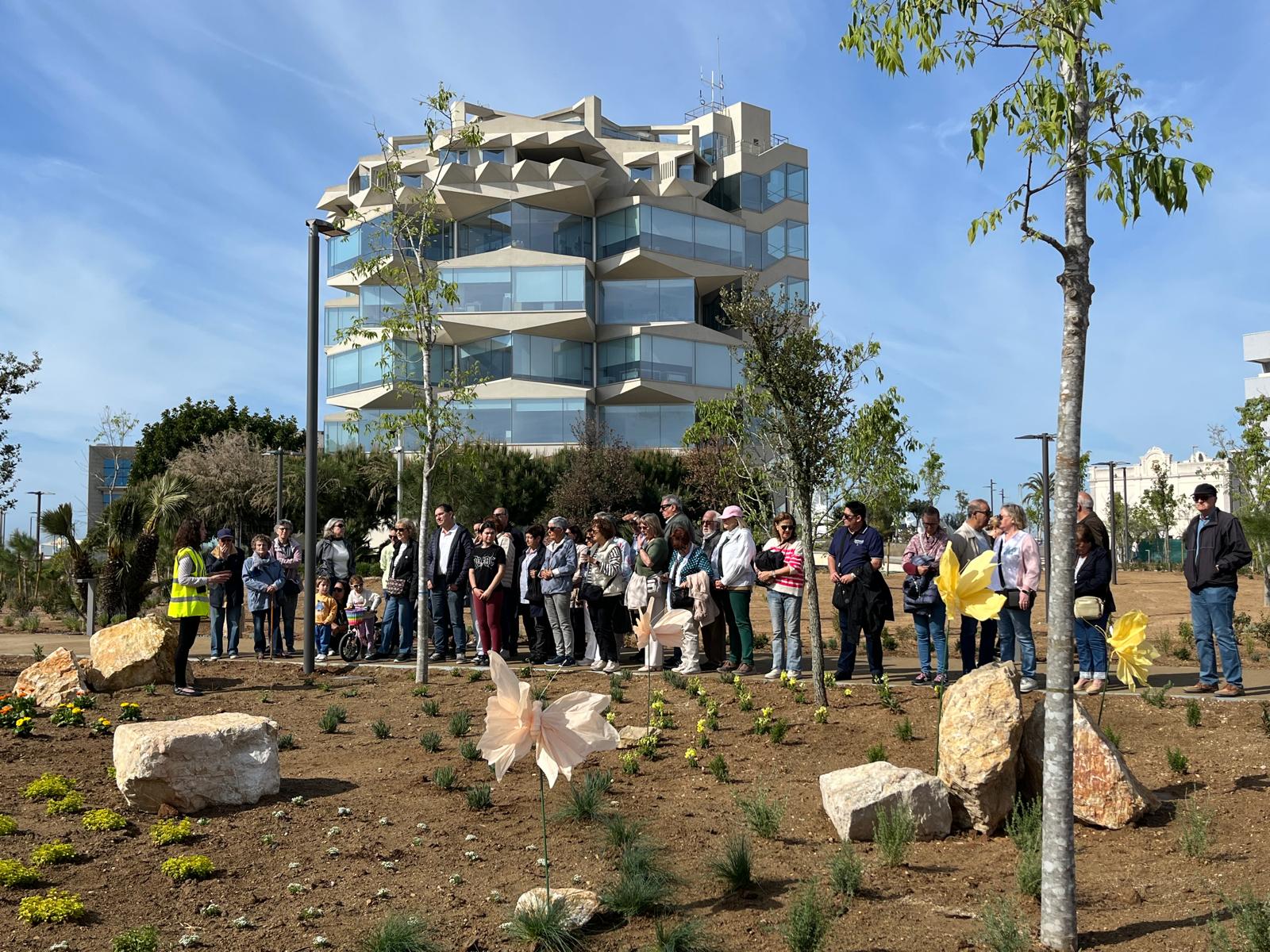
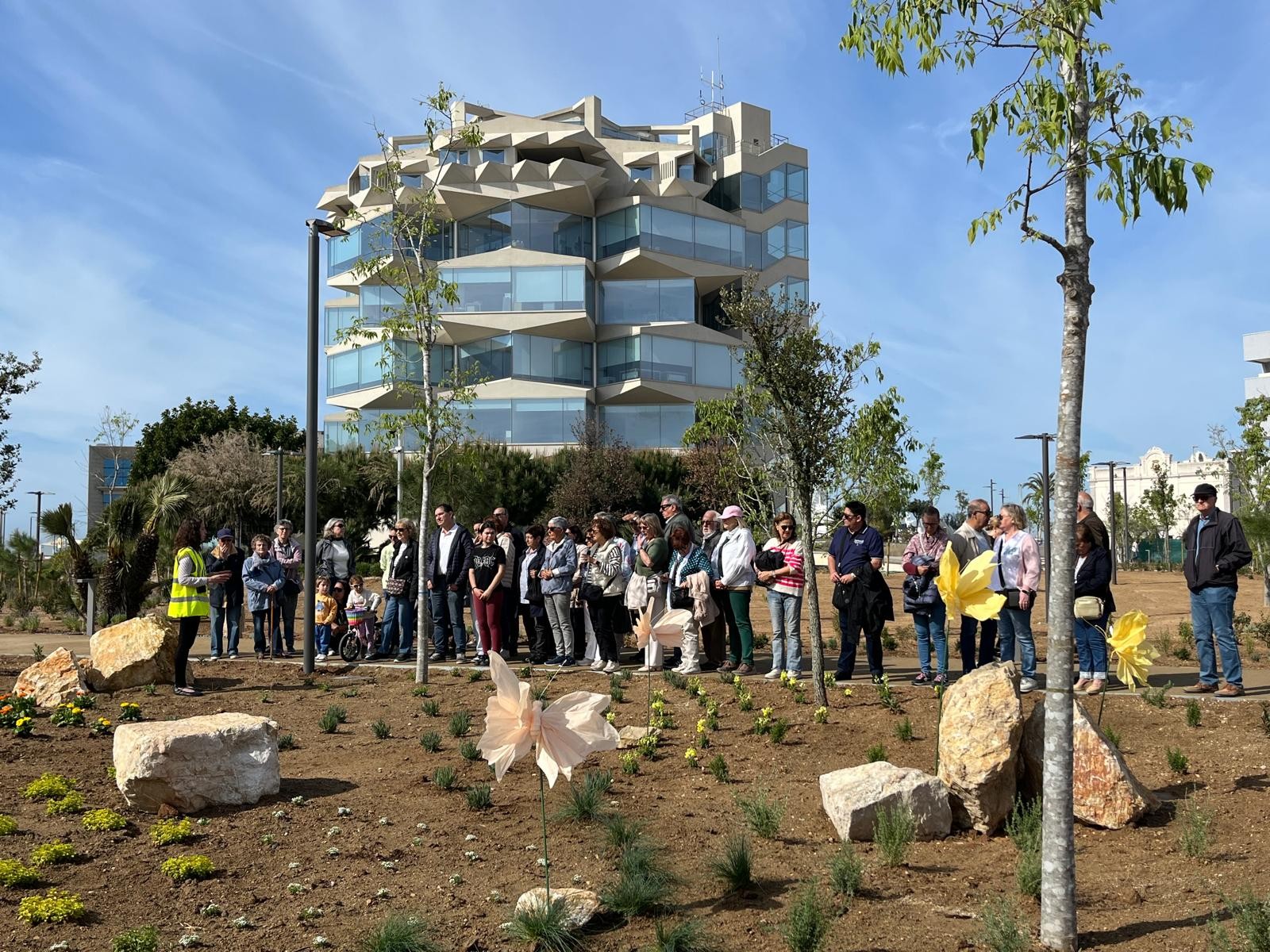
Saturday, April 18, 2026, the Port of Tarragona Park was inaugurated with a morning of activities that brought together hundreds of citizens, including guided tours, traditional culture events, and a cycling itinerant concert. The event marked the completion of the transformation of the Port Authority area into a low-emission zone that prioritizes pedestrians and cyclists, gaining 44% more space.
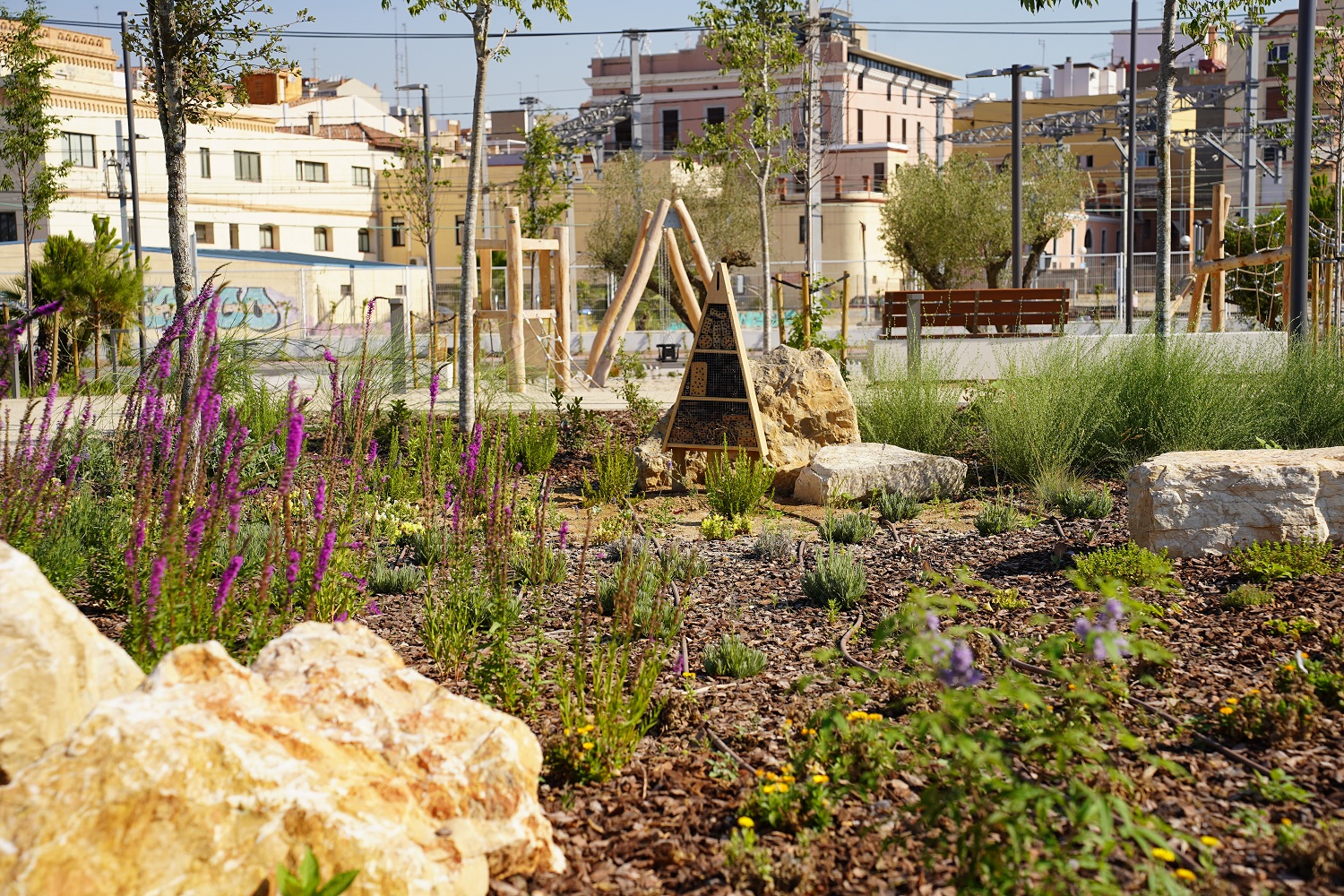
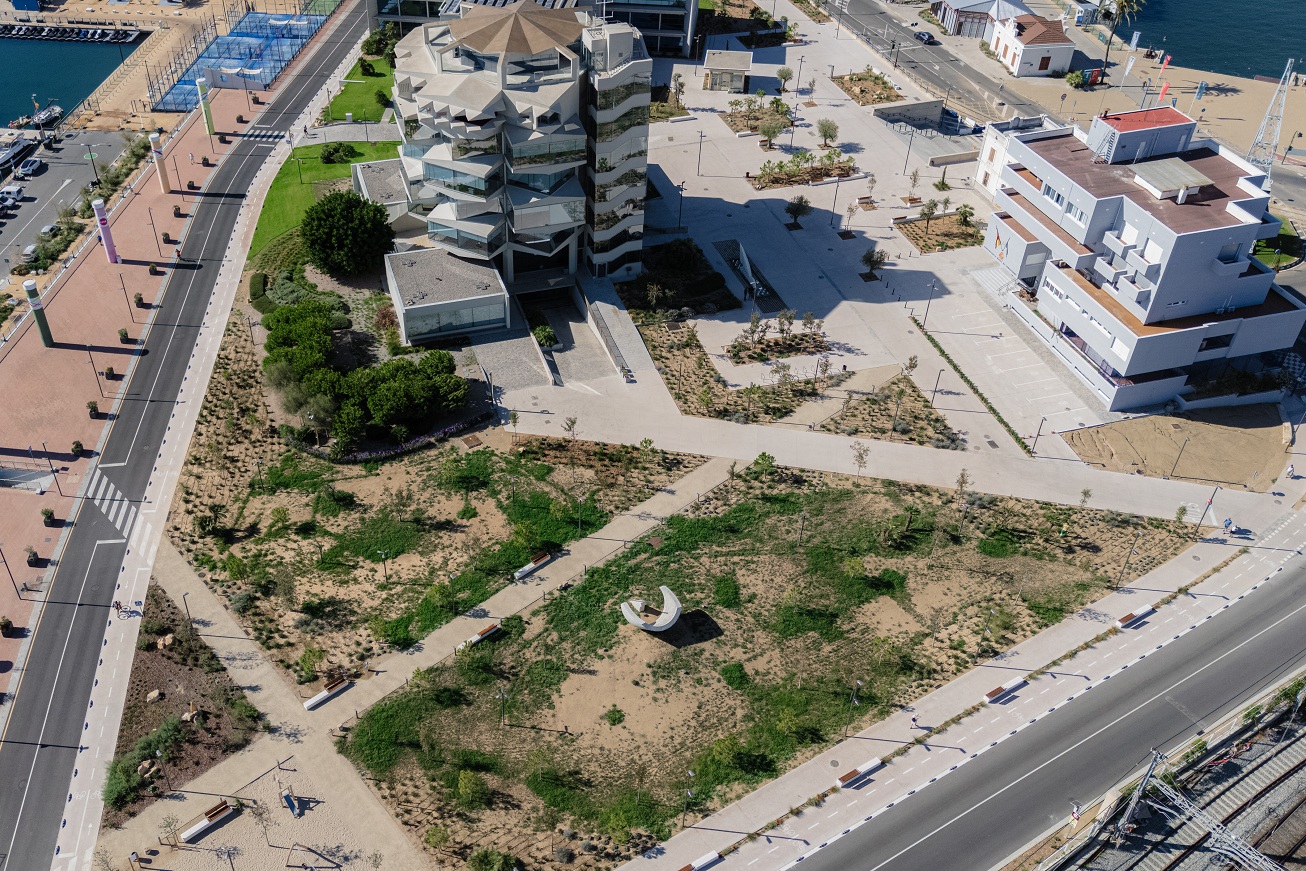
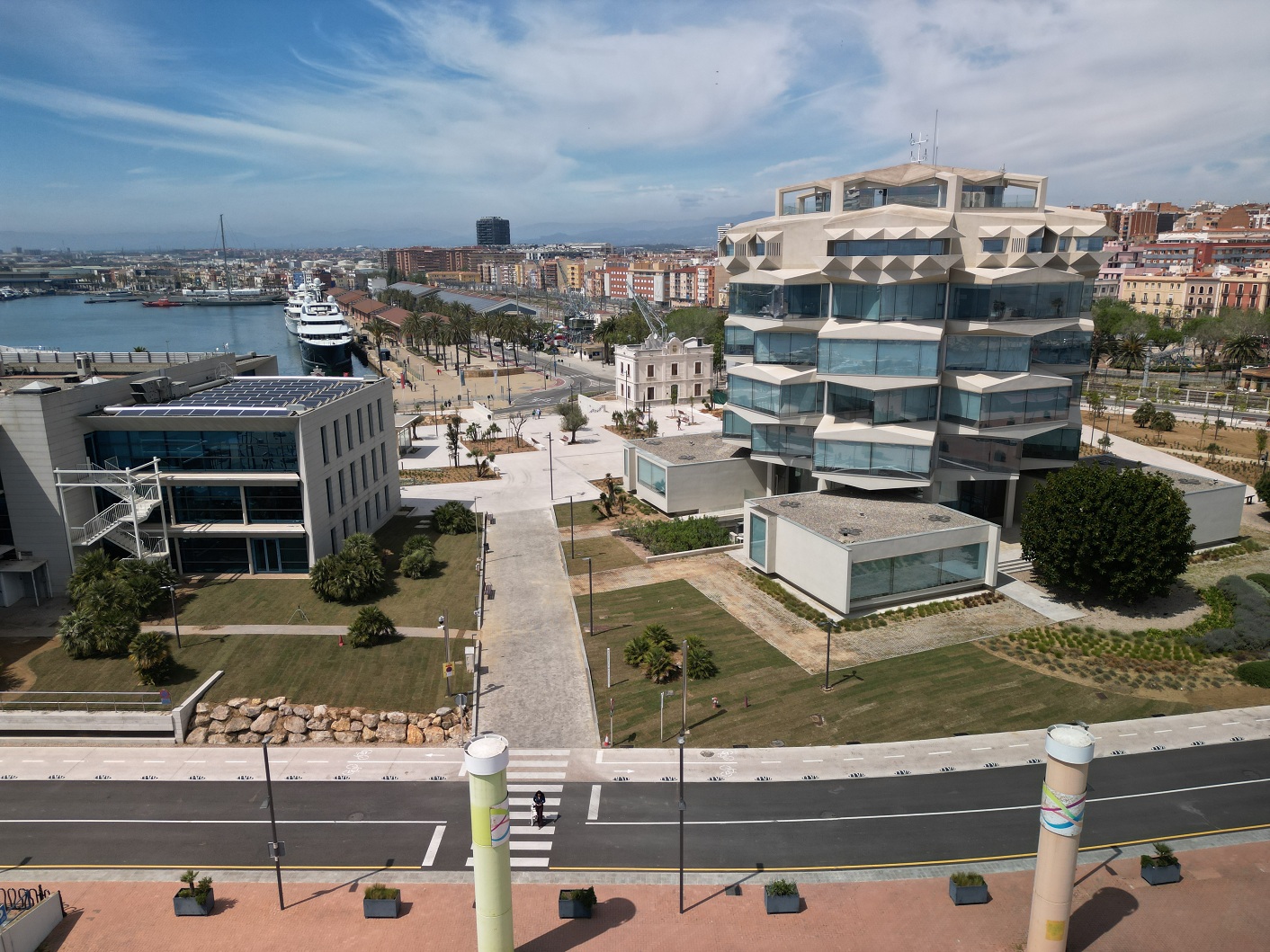
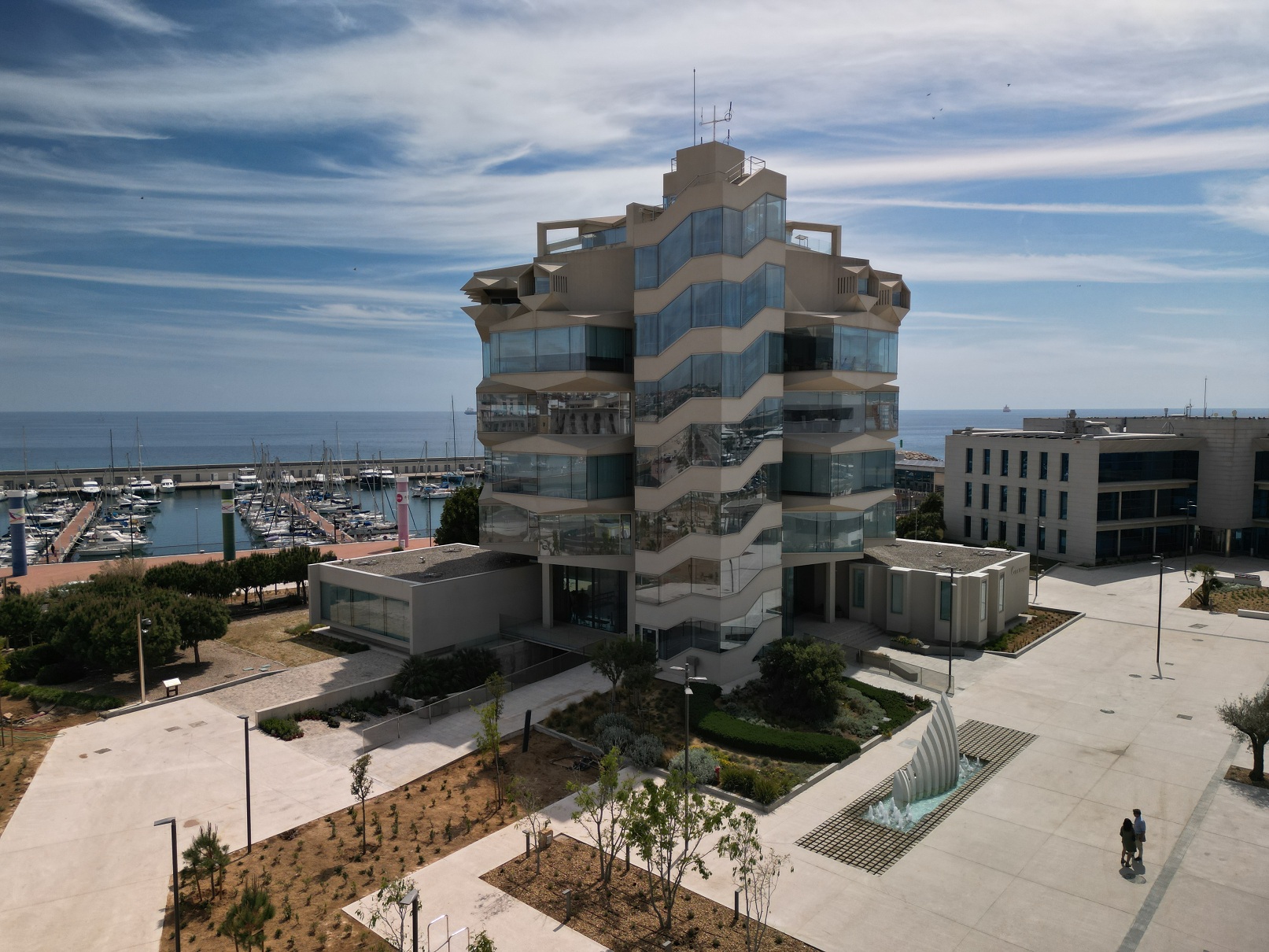
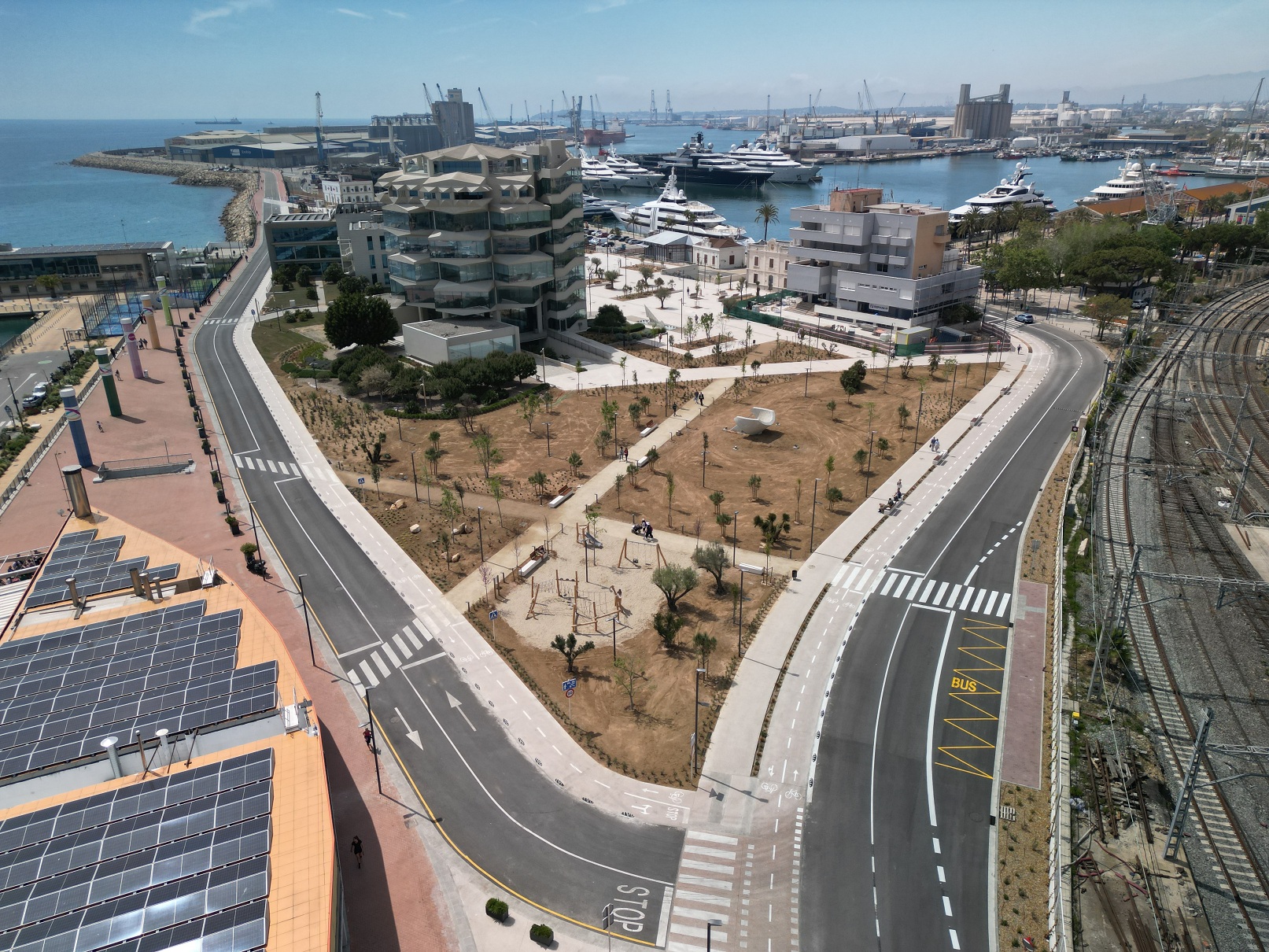
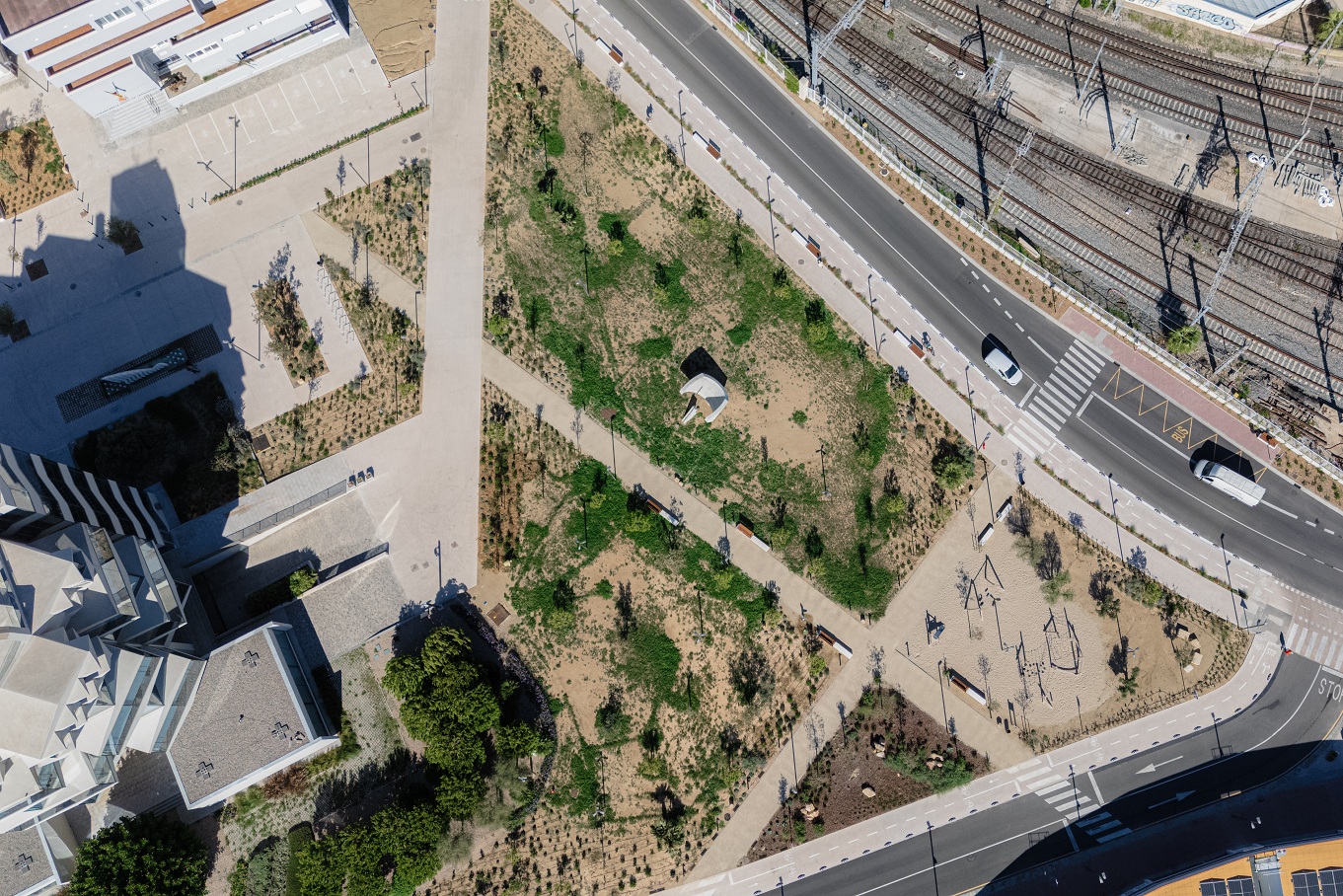
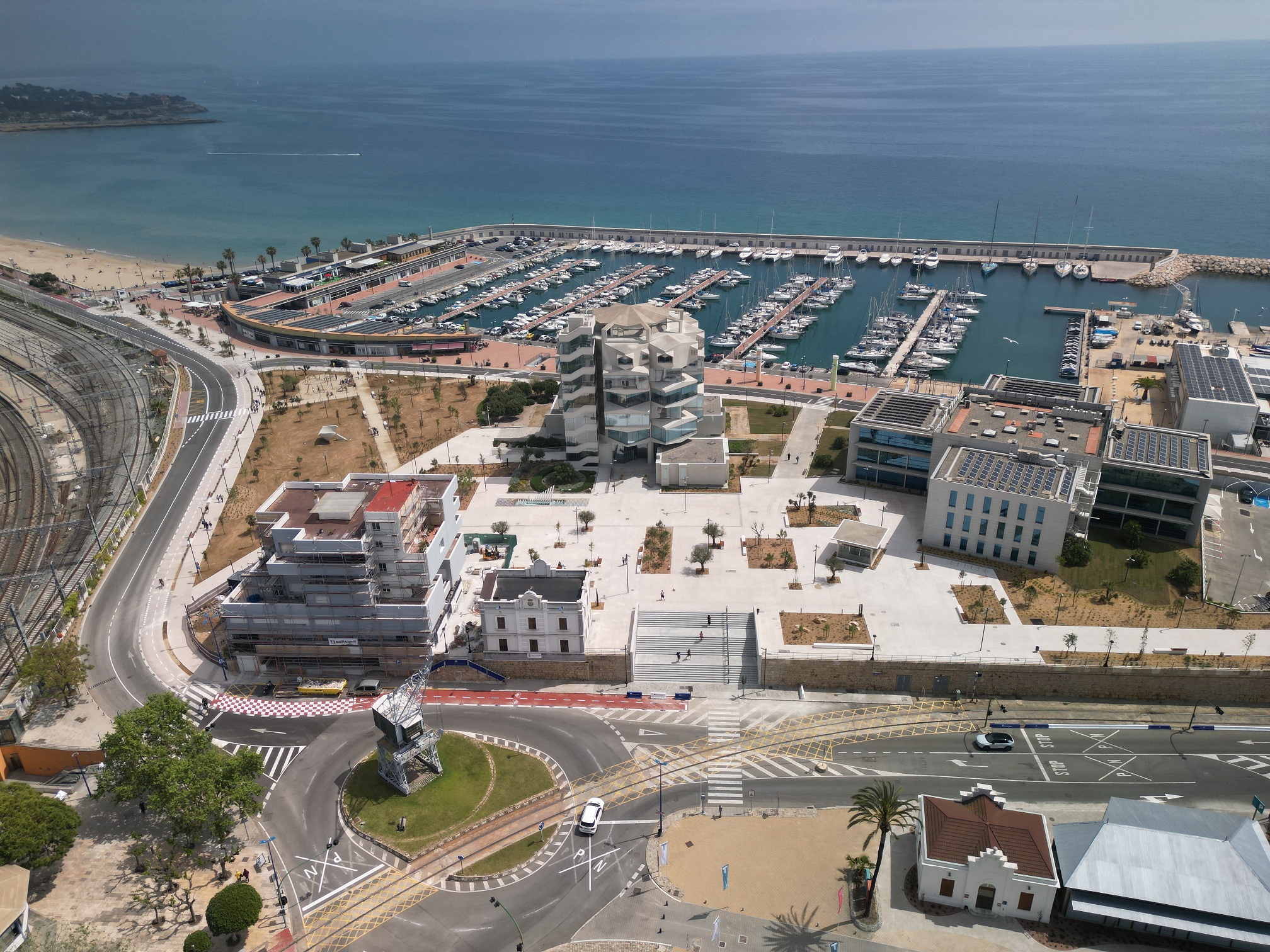
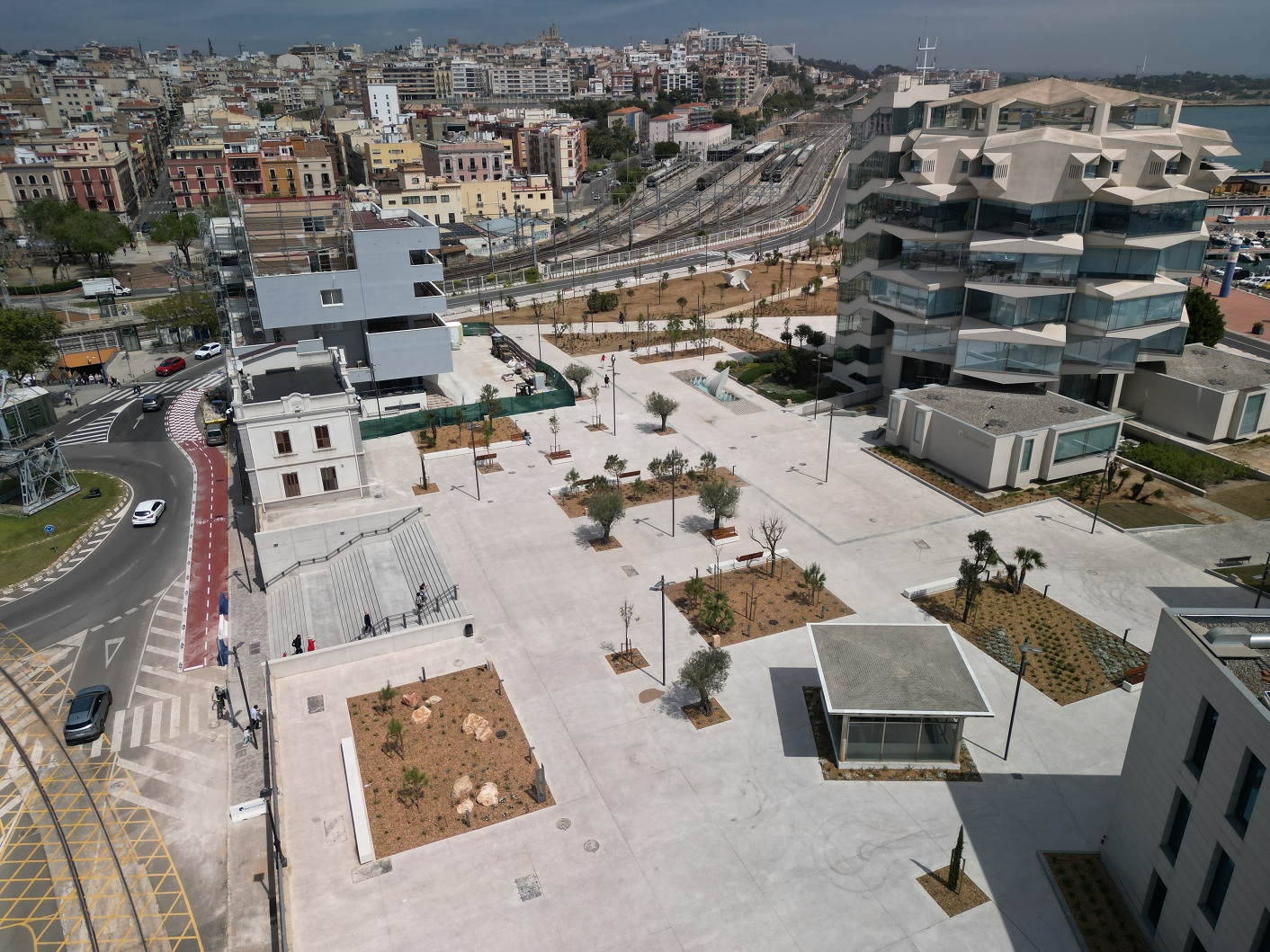
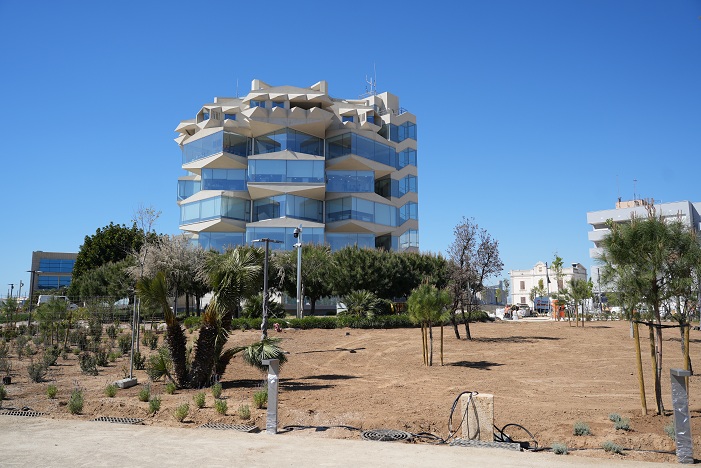
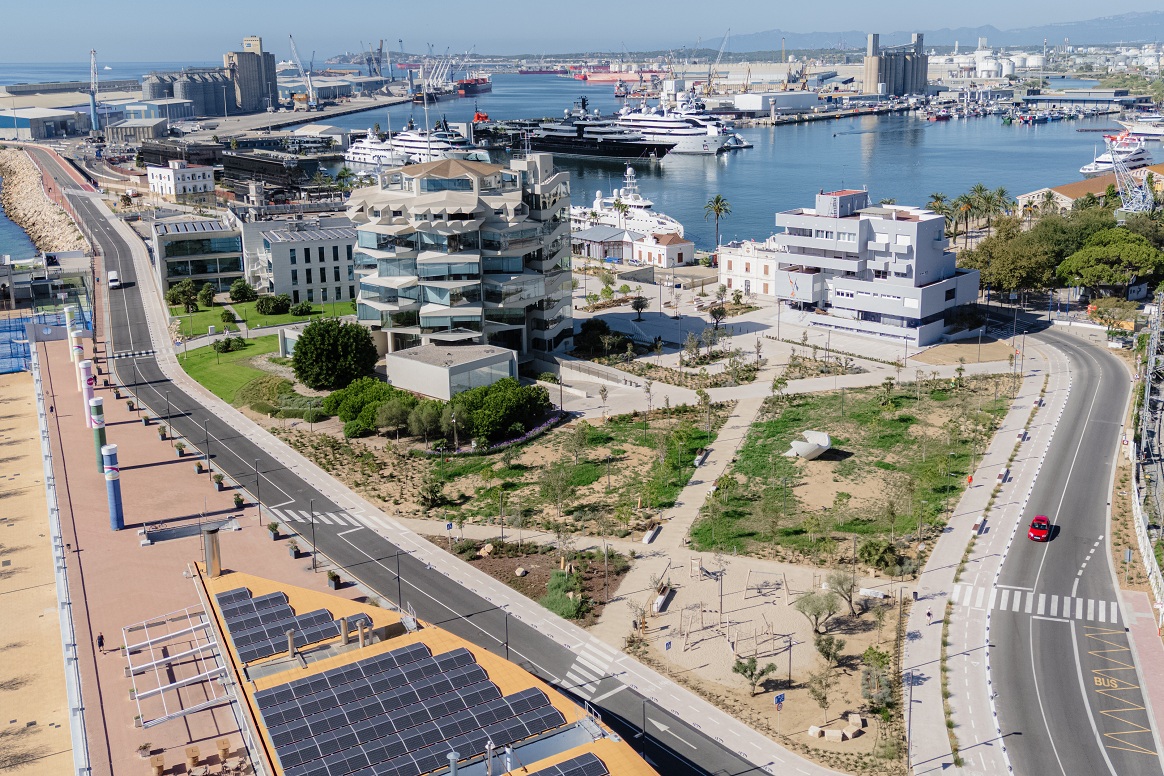
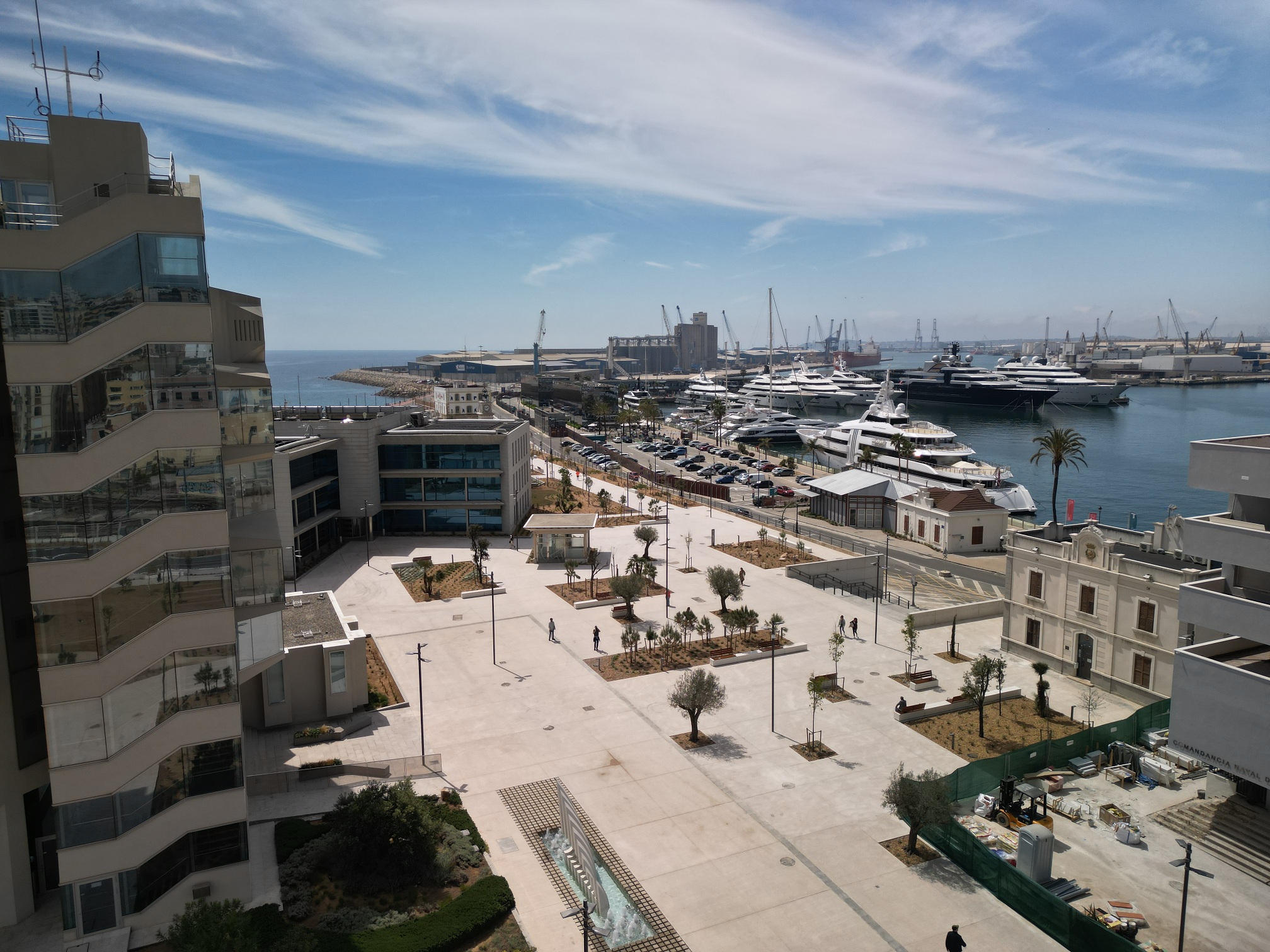
The new park represents a significant increase in green areas, which have grown by 65% (from 7,000 to 11,500 m²), becoming a climate refuge for the city. The space includes forest areas, children’s playgrounds, calisthenics zones, a butterfly garden, the renovated Clock Promenade, and a large central square called Espai Mediterrània, improving connectivity between the Moll de Costa, the Miracle promenade, and the breakwater.
The project, designed by the MasMaristany architecture team and executed by UTE Eiffage–GICSA with an investment of 3.35 million euros, was conceived as an example of sustainable, resilient, and intergenerational urban planning.
The park is defined as an accessible space for citizens and as a further step in the integration of the Port with the city, designed so that people of all ages can enjoy it.
The new park represents a significant increase in green areas, which have grown by 65% (from 7,000 to 11,500 m²), becoming a climate refuge for the city. The space includes forest areas, children’s playgrounds, calisthenics zones, a butterfly garden, the renovated Clock Promenade, and a large central square called Espai Mediterrània, improving connectivity between the Moll de Costa, the Miracle promenade, and the breakwater.
The project, designed by the MasMaristany architecture team and executed by UTE Eiffage–GICSA with an investment of 3.35 million euros, was conceived as an example of sustainable, resilient, and intergenerational urban planning.
The park is defined as an accessible space for citizens and as a further step in the integration of the Port with the city, designed so that people of all ages can enjoy it.
Climate refuge thanks to its configuration as a forest
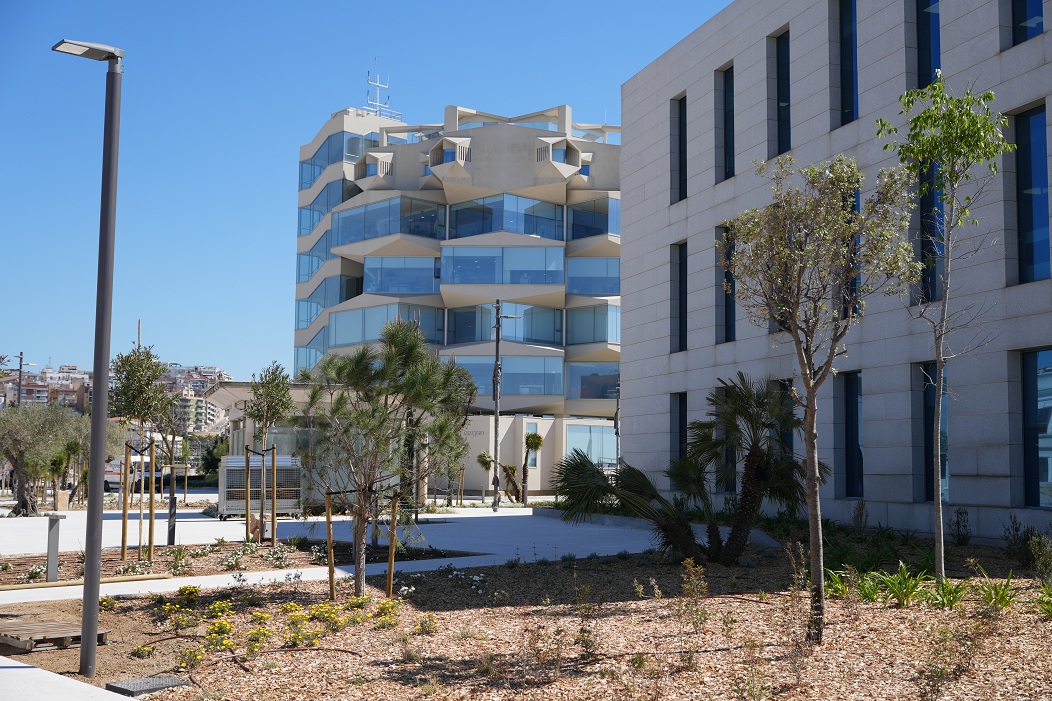
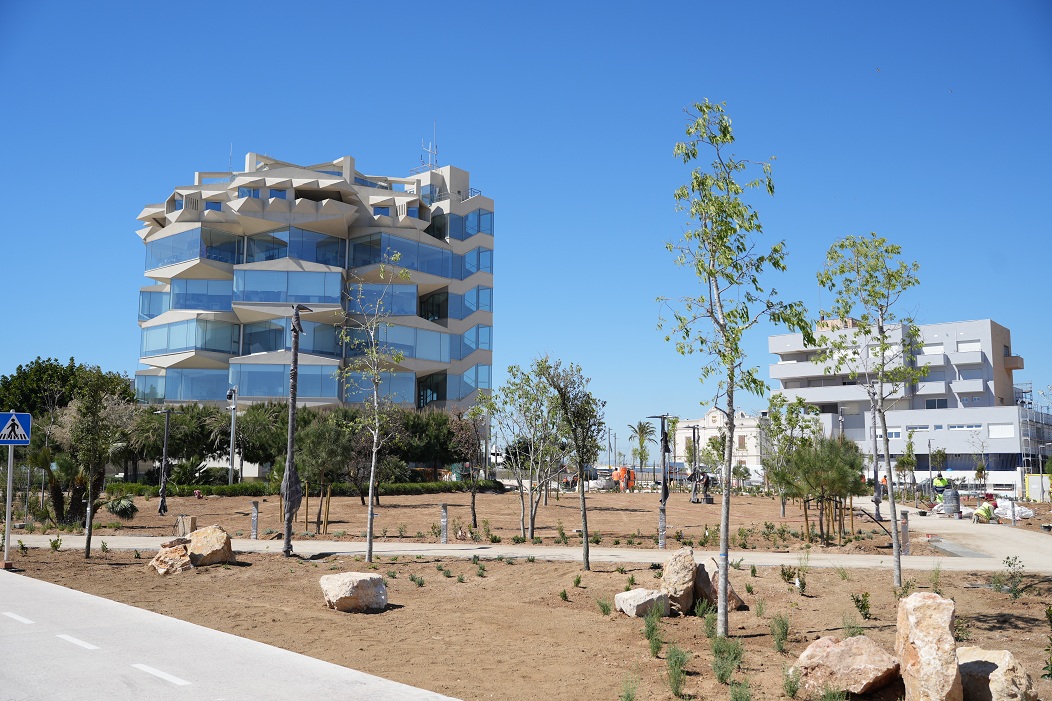
About 200 trees and more than 14,500 plant elements (plants and shrubs) have been planted
Species of pine pine (Pinus pinea), tamariu (Tamarix gallica), lledoner (Celtis australis) and olivera (Olea europaea) have been planted
Species of pine pine (Pinus pinea), tamariu (Tamarix gallica), lledoner (Celtis australis) and olivera (Olea europaea) have been planted
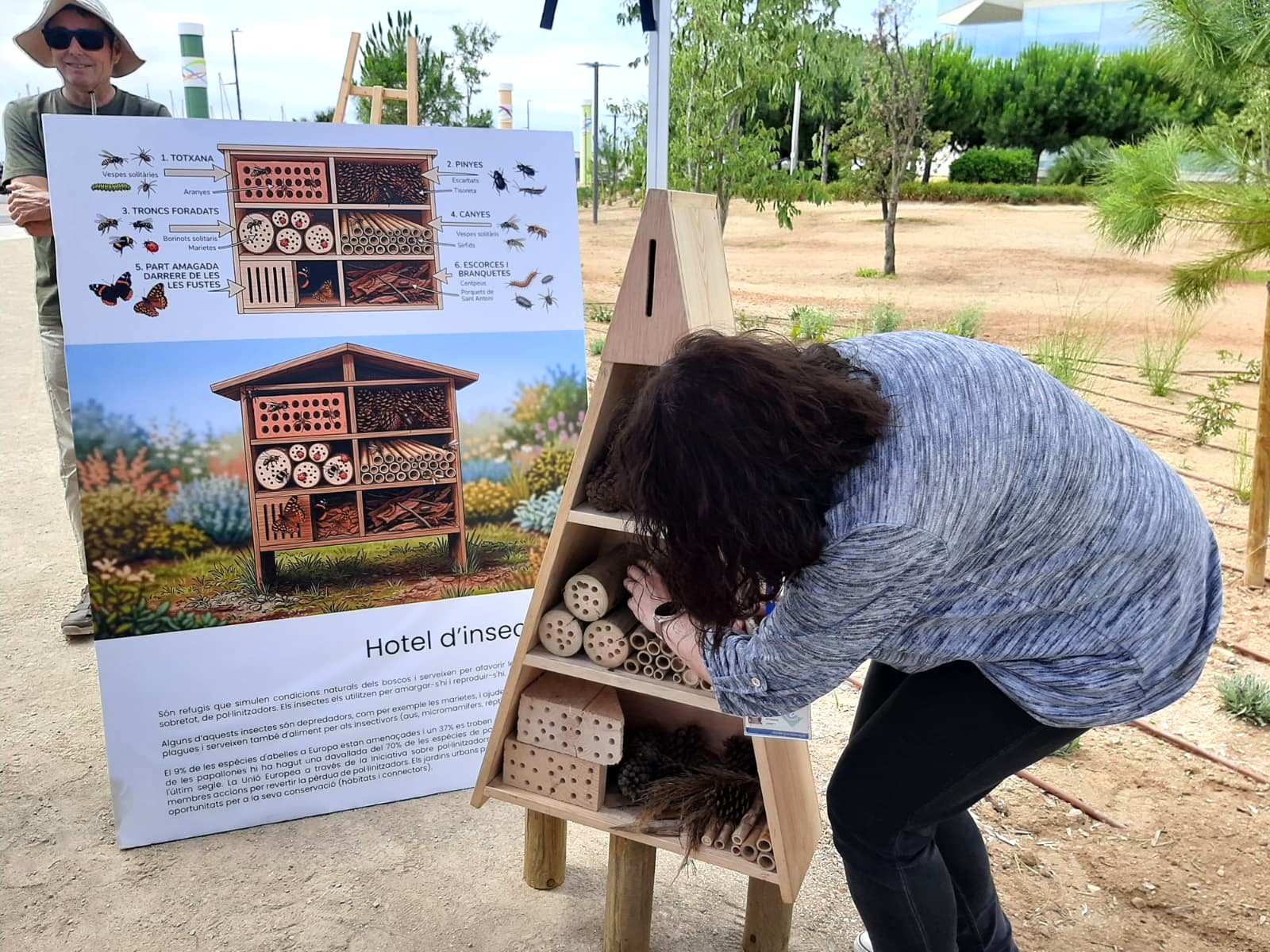
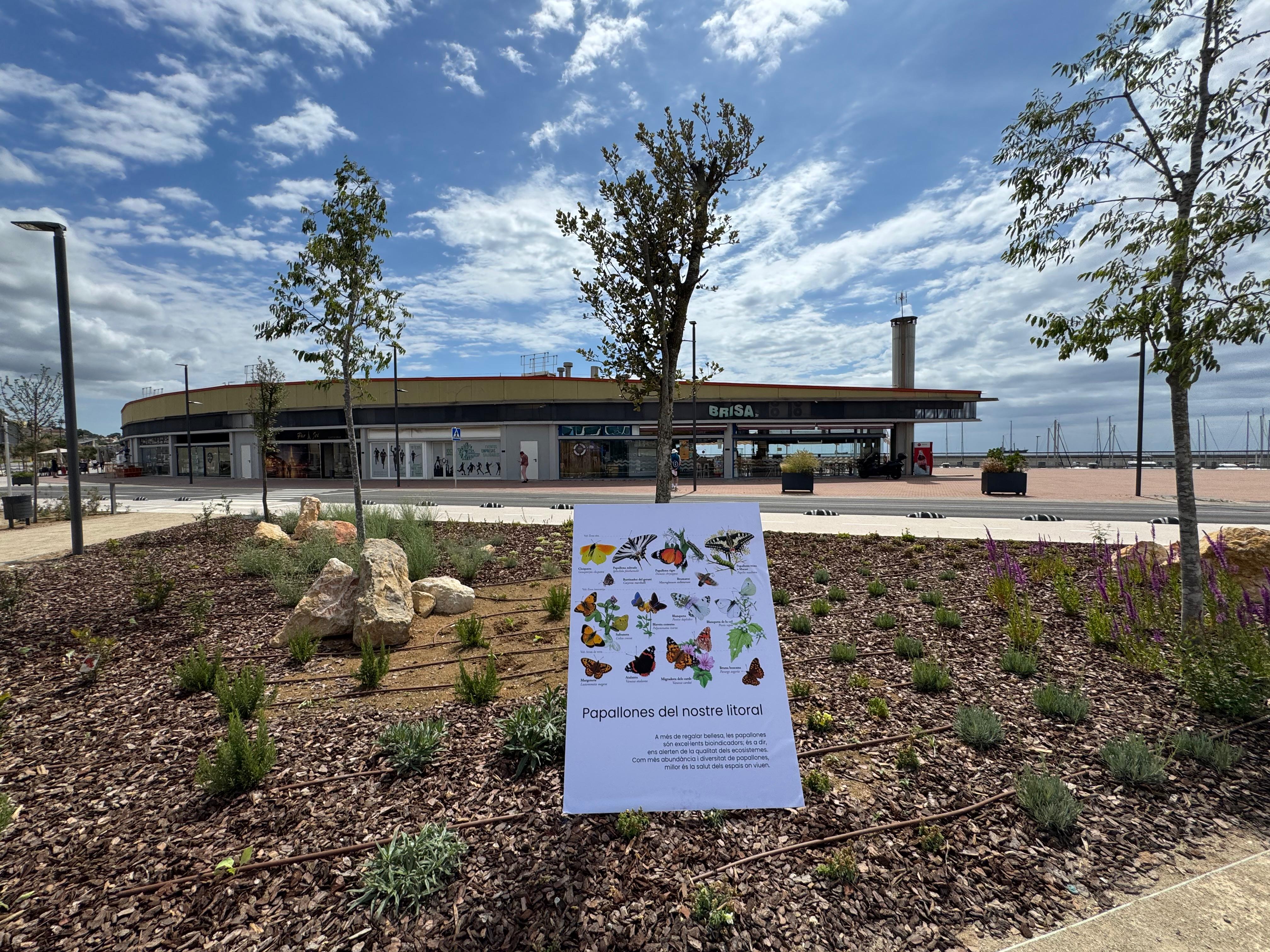
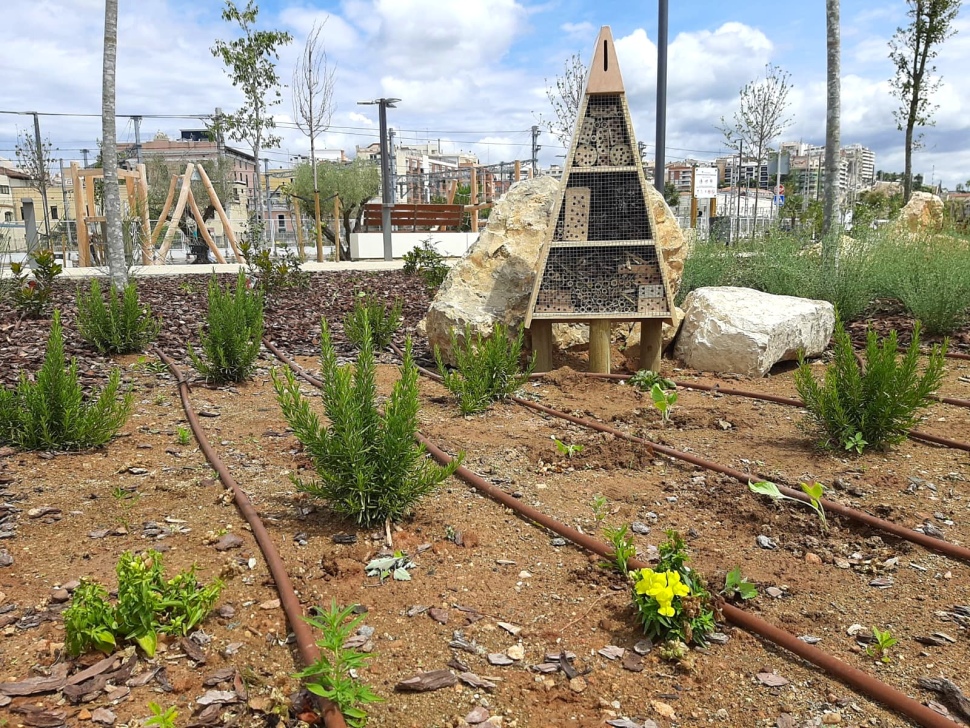
Butterfly Garden
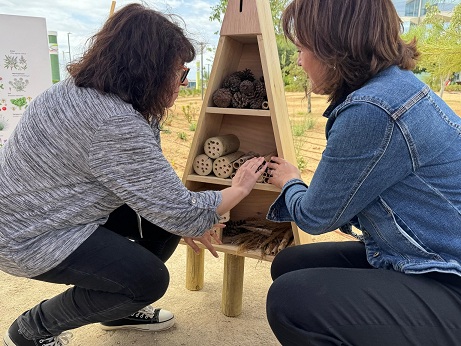
Space specifically designed to attract, feed and protect butterflies in their different phases of life
Rebounding the seafront
A friendly route that facilitates the transition between the Serrallo and Moll de Costa area and the Miracle promenade. The key element of this new connectivity is the opening of a large staircase to the Llevant dam
Urban Sustainable Drainage Systems (SUDS)
Reduces the risk of flooding and favors urban biodiversity, since they favor the infiltration of rainwater into the sun by imitating the natural hydrological cycle
Intergenerational Urbanism
The park is defined as an accessible space that integrates the Port with the city, designed for all ages. (benches, hydration points, calisthenics circuit, children’s playground area...)
A space designed for people
The space dedicated to motor mobility has been reduced by 65%, from 13,600 m2 for vehicles, to only 4,600 m2. Pedestrians and cyclists have gained 44% more space and green areas have grown 65%